
《自律養生實踐家之旅394》 求生意志
2025 – TST – PINTEREST PINS – 2
十多年前,我寫過一篇文章,題為〈鋼樑傳奇〉。那篇文章開頭這樣寫著:
『一位父親徒手挖出瓦礫堆中倖存的女兒,就在四川大地震倒塌的中學教室中,女同學是這一間教室唯一存活的人,她眼見躺在附近的同學一一斷氣,堅信父親一定會來救她,與外頭堅信女兒還活著的父親遙遙相應。
被救出來之後,躺在醫院裡,父母親在一旁啜泣,女兒安慰父親,拉著父親的手說:「我今後絕對不再跟您頂嘴了」。
就當這是一堂課,這是一堂代價慘痛的學習體會,是生離死別那一瞬間特別容易覺悟,還是父親偉大的愛感召了女同學,或許這是連貫的一件事,一件突顯價值觀排序的醒世案例。』
我在那篇文章裡還寫道:『對面站在鋼樑上的如果是自己的小孩,而且狀況是我們不爬過去,小孩很可能摔死,懼高的我光是思考類似場景已經兩腳發軟,可是在「鋼樑傳奇」的經驗法則中,雖然是想像的情況,確定沒有一位家長宣稱自己有懼高症,非常明確的提醒我們思考,生命中哪些東西是絕對無價的。』
我們都願意犧牲自己去拯救所愛之人,然而,在「所愛的人」之中,也該有一個屬於自己的位置。我們的愛常常寬厚卻不完整,我們能為別人捨命,卻未必懂得珍惜自己。
我想起花蓮光復鄉那場洪水中,被救出的那位小女孩。新聞聚焦於她強烈的求生意志,也歌頌兩位長輩捨身的光輝,卻很少人記得是那位母親,在泥水中不停哀求搜救人員:「再挖一下,再挖一下!」
她的呼喊,是生命最深的牽引。
我不懂「感應」,但我知道生命有其神秘的指引。有些人,會在最關鍵的時刻出現在你面前;有些事件,會在最該醒來的瞬間翻轉你的一生。
當痛苦讓人幾乎無法呼吸的那一刻,我們會懊悔那些「還來得及」卻被浪費的時光;而當慶幸自己還活著時,才會真正看見自己曾多麼虛擲生命。
我與兩個兒子相差約三十歲,我希望,把多三十年的生命體會交給他們,也交給所有願意相信我的年輕人。只要比我年輕,我都稱他們為「年輕人」。
我希望他們明白:人生短暫,不該浪費在無意義的人事物上;我希望他們願意不計代價把身體養好。
「不計代價」正是我走上「身體之道」的核心態度,當身體向我發出訊息,我知道:它在請求我,給它時間清理長年堆積的垃圾。
每天吃三餐的人,很少去想「有一天會因此吃不下」的結果;每天吃藥的人,也不願面對「副作用可能突發危機」的現實。
當你對那個願意為你犧牲一切的人大吼大叫時,你沒意識到,你的態度可能是一把無形的刀。
當你腦中滿是自己的利益時,你也難以察覺,自己早已干擾他人的生命品質,因為每一句話都有隱藏的意圖,每一個行為都夾帶自私的細節。
我們都擁有強大的求生意志,但有沒有關心過旁人的「生命品質」?更該問的是「你有在乎自己的生命品質嗎?」
別人的一句話,就能瞬間左右你的情緒;明明有自己的主見,卻輕易動搖;明明擁有自己的生命,卻總讓別人來替你做決定。
我們都說「想為自己而活」,但事實上,我們多半是為錢而活,為他人的價值觀而活,甚至為那始終模糊的醫療信仰而活,一點一滴,把生命交出去。
「睡眠剝奪症」是一個值得深思的隱喻,醫師眼中的「病人」,究竟是誰剝奪了他們的睡眠?深究其源,真相往往回到那個「不重視睡眠」的自己。
事實上,我們可以放大看,所有的病,幾乎都指向同一個真相:作繭自縛。
我們太傲慢、太輕忽生命,不懂珍惜寶貴的生命。明白自己活在他人價值時,才驚覺那份任性,才懊惱那些執著。
生命不順遂一定有貪的背景,錢不夠用一定有玩的過去,回顧不精進的歲月、走錯路的時光,才懂得錯誤並不可恥,那是成長的必經之路。
我曾在一次次碰撞中,被家人誤解、被朋友提醒。想起每一本引領我覺醒的書,
也想起每一位在轉折處出現的前輩與友人。
「求生意志」不只是活下去的力量,更是一種來自天命的啟示。生命的長短或許由不得我們,但一生能幫助多少人、做多少有意義的事,每個人都能自由選擇。
在「求生」的「生」字裡,藏著一種奇妙的命定,提醒我們:活著,本身就是恩典。
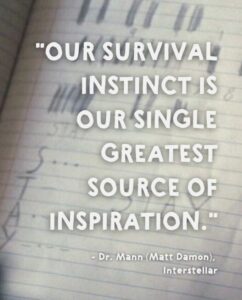
(我們的求生本能是我們最偉大的靈感之源)
The Will to Survive
More than a decade ago, I wrote an essay titled The Legend of the Steel Beam. It began like this:
> “A father dug through the rubble with his bare hands to rescue his daughter from the collapsed classroom of a middle school during the Sichuan earthquake. She was the only survivor among her classmates. As she watched her friends take their last breaths one by one, she held on to a single belief—that her father would come for her. And outside, her father, convinced that his daughter was still alive, kept digging.
When she was finally rescued and lying in a hospital bed, her parents wept beside her. The girl held her father’s hand and said, ‘Dad, I’ll never talk back to you again.’
Let this be a lesson—a painfully costly one. Was it the closeness of life and death that brought sudden enlightenment, or the father’s immense love that moved the daughter’s heart? Perhaps both. It was a story that revealed how moments of crisis reorder our sense of value.”
In that essay, I also wrote:
> “If the child standing on that steel beam were your own—and the situation meant that if you didn’t cross over, your child might fall to their death—how many of us, afraid of heights, would hesitate? Just picturing such a scene makes my legs go weak. Yet, in all the ‘steel beam’ stories ever told, no parent has ever claimed to be afraid of heights. That, in itself, reminds us clearly: some things in life are truly priceless.”
We are all willing to sacrifice ourselves for those we love. But among the people we love, there should also be a place reserved for ourselves. Our love is often vast but incomplete—we can die for others, yet we seldom know how to cherish our own lives.
I’m reminded of the little girl rescued from the flood in Guangfu Township, Hualien. The news focused on her extraordinary will to survive and praised the two elders who sacrificed their lives for her. But few remembered her mother—the woman who, knee-deep in muddy water, kept pleading with the rescuers: “Dig a little more… just a little more!”
Her cries were the deepest echo of life itself.
I do not claim to understand “spiritual resonance,” but I know life has its mysterious guidance. Some people appear before you at the most crucial moments. Some events turn your life around at the exact instant you most need to awaken.
When pain becomes unbearable—when breathing feels impossible—we regret the time we wasted, the moments that were still “in time” but left unused. And when we feel grateful simply to still be alive, we finally see how much of life we once squandered.
I’m about thirty years older than my two sons. I wish to pass them my thirty extra years of lessons—and share the same with every young person willing to listen. To me, anyone younger than I am is “young.”
I want them to understand: life is brief and should not be wasted on meaningless people or things. I want them to be willing to restore their health—no matter the cost.
This phrase—no matter the cost—is the core of my journey on the Way of the Body. When my body sends me messages, I know it is asking for time—to cleanse itself of the waste accumulated through years of neglect.
Those who eat three meals a day seldom imagine the day they might no longer be able to eat. Those who take pills daily refuse to face the reality that side effects can become sudden crises.
When you shout at the person willing to sacrifice everything for you, you may not realize your tone is like an invisible knife. When your mind is filled only with your own interests, you fail to see how your behavior diminishes the quality of others’ lives—because every word carries hidden intention, and every action conceals traces of selfishness.
We all possess a powerful will to survive—but do we care about the quality of others’ lives? More importantly, do you care about the quality of your own life?
A single remark from someone else can instantly control your mood. You have opinions of your own, yet you waver so easily. You possess your own life, yet you let others make decisions for you.
We all say we want to “live for ourselves,” but in truth, most of us live for money, for the values of others, or for that ever-vague faith in medicine—gradually handing our lives away, bit by bit.
“Sleep deprivation syndrome” is an allegory worth reflecting on. For every “patient” a doctor sees, who truly deprived them of sleep? Trace it back, and you’ll find—it was their own disregard for rest.
In fact, if we look deeper, almost every disease points to the same truth: we entangle ourselves.
We are too arrogant, too dismissive of life, too careless with its preciousness. Only when we realize we’ve been living by others’ values do we finally see our own stubbornness—and regret our attachments.
When life doesn’t flow smoothly, there is always greed in the background. When money runs short, there were likely days of indulgence before. Only by revisiting the unproductive years and the wrong turns do we understand that mistakes are not shameful—they are the necessary steps of growth.
Through countless collisions, I’ve been misunderstood by family and awakened by friends. I remember the books that shook me awake, and the mentors and companions who appeared at life’s crossroads.
The “will to survive” is not merely the force that keeps us alive—it is a revelation of destiny. We may not control the length of our lives, but we are free to decide how many people we help, and how much meaning we create before the end.
Within the word survive lies a hidden message: to live is itself a blessing.


