
《自律養生實踐家之旅397》 這一刻就遠離病痛
每一位踏入宗教、信仰、修行領域的人,心中多少都存著對「終點」的想像,或期待、或篤定、或虔誠、或隨性。
有人因為看見人生的苦而開始追尋靈性的歸處,也有人在生命某一刻突然醒悟,意識到自己並非偶然來到人世。
共同之處是:一旦開始思索來處,便會開始描繪生命的去處。
即使生活艱辛,我們依然認真活著,或憧憬未來圓滿的人生,或務實的為靈性的目的地做準備。
對我而言,前半段人生像是在摸索,不知道要往哪走,不知道自己適合什麼,只知道肩上扛著父母的期待,手上牽著把生命託付給我的妻小。
我曾想過當詞曲創作家,也想過當唱片製作人;從未想過成為老師,更沒想過自己會成為作家。
後來才懂:做什麼不重要,自己快不快樂才重要,而能幫助多少人,才是生命的核心價值。
進入熟齡後,我在深度閱讀中逐漸領悟:人來到世間的目的從來不是為自己,我們是為「服務他人」而降臨。利他,讓人生獲得意義。
我已熟練「斷食教練」的工作,因為沒有任何人比我更執著於斷食教育。這份工作之所以成為志業,理由非常單純:它能幫助很多人。
人生的辛苦與我的工作相互呼應,從勞力面看兩者都不輕鬆;但從樂趣面看,它們都讓我享受且充滿挑戰。
人不容易帶,這是事實。曾經有好幾次,輔導學員讓我感到挫折;而每一次挫折的背後,其實都是提醒我:不是對方刁難,而是我還可以更精進。
這份工作讓我分階段成長,也讓我領悟許多人生底層的道理。
我曾許下一個願,要幫助兩千個家庭遠離病痛。所謂的「家庭」指的是一位代表人物,他必須持續學習,也必須融入遠離病痛的環境。
這個目標以現在的整體規模來看或許遙遠,但仍在我的信念範圍內。我深信:時間與耐心會陪我一起達成。
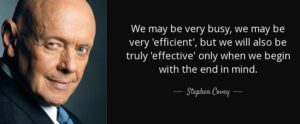
目標,是一種思維方式。終點看似遙遠,其實始終在我眼前,不是因為我一直朝它靠近,而是因為我戴著「以終為始」的視窗。
從養生的角度來說,那個終點必然是「沒有病痛」。大多數人不相信有這種事,而我的工作,就是翻轉他們的視野。
不相信的人總問我:「你為什麼這麼有信心?」,我回答:「因為我看得見身體的潛能」。
那是一種景觀,你得願意走得夠久,才看得見。
其實我更想反問他們:「你為什麼不肯相信身體的自癒力?」但他們不需要回答,我早知道原因,來自醫療觀點長期灌輸的「定錨」。
拒絕與身體合作的人,終將被醫藥洪流吞噬。
有人不懂如何同理自己的身體,於是繼續抨擊我反醫療。然而我從未站在對立面,我的立場,就是你身體的立場,也同樣是每一位醫療人身體的立場。
正因為我全然信任身體,我才終於看到醫療的顢頇,也理解它的失能。
我的學員中,有一半以上是因為「不再信任醫療」而前來學習。我對他們說的道理非常清楚:不問病因,何來正確治療?不知病源,要如何康復?
最初,我因為看見「沒有病痛」的終點而投入斷食教育。之後,又因看見醫療的盲點,而誕生出第二個目標:
第一個目標:遠離病痛,第二個目標:遠離醫療。
這兩個目標,如今都不是目標,而是我眼前的日常。如果它們也在你眼前,你會怎麼做?你應該要做什麼?
我誠心提醒:千萬不要只想當買產品的消費者,請把自己放在「學習者」的位置,進一步成為精通「身體之道」的典範。
假設我面前有十個人,真正以信念遠離病痛的人會有幾位?我的實際統計是:零位。把分母放大到一百位,終於有機會出現三個願意相信自己能達成的人。
我的「終點」讓我學會變通,當我們把「遠離醫療」視為終點,並把這個終點拉到眼前,成為新的起點,那麼「遠離病痛」自然就不再遙遠。
先遠離醫療,再遠離病痛。為什麼?因為只要看清那些不足心法背後的商法,看清消費需求背後的行銷本質,當你不再消費,你就存到健康了。
(我們可以很忙,也可以很有效率,但唯有「以終為始」,我們才會真正變得有成效。)
Leave Illness Behind — Beginning This Very Moment
Everyone who steps into the realms of religion, faith, or spiritual practice carries within them a certain image of the “final destination.” Some imagine it with earnest longing, some with conviction, some with devotion, and others with a more casual openness.
Some begin their spiritual search because they have seen the suffering of life; others awaken suddenly at a certain moment, realizing that their arrival in this world was never an accident.
The common thread is this: once a person begins reflecting on where they came from, they naturally start imagining where their life is heading.
Even when life is difficult, we continue to live seriously—either yearning for a complete and fulfilling future, or pragmatically preparing for a spiritual destination.
For me, the first half of life felt like wandering in the dark. I had no idea where I was going, nor what I was suited for. I only knew I was carrying my parents’ expectations on my shoulders and holding the hands of a wife and children who had entrusted their lives to me.
I once dreamed of becoming a songwriter, then a record producer. I never imagined becoming a teacher, much less a writer.
Eventually, I understood: what you do is not the point—whether you are happy is. And more importantly, how many people you uplift is the true core of a meaningful life.
Entering midlife, my deep reading gradually led me to a realization: we never come to this world for ourselves.
We arrive for one purpose—to serve others.
Altruism is what grants life its meaning.
—
Why “Fasting Coach” Became My Inevitable Identity
No one has devoted themselves to fasting education more persistently than I have.
This work became my life’s calling for a very simple reason: it helps people—many people.
The hardships of life mirror the challenges of my work. From a labor standpoint, both are demanding; yet from the perspective of fulfillment, they are deeply enjoyable and endlessly challenging.
People are not easy to guide—this is a fact. Many times, I felt discouraged during coaching; and every moment of discouragement reminded me of the same truth:
the issue was not that others were difficult, but that I could still become better.
This work allowed me to grow in stages and perceive many fundamental truths about life.
I once made a vow to help two thousand families live free from illness.
A “family,” in my definition, is represented by one person—someone willing to continue learning and willing to place themselves in an environment that supports living without illness.
This goal may seem distant when compared with today’s scale, but it remains completely within the range of my conviction.
I firmly believe that time and patience will walk with me until it is accomplished.
A goal is a way of thinking.
The end point may appear far away, yet it is always before my eyes—
not because I am constantly moving toward it, but because I see it through the lens of beginning with the end in mind.
—
From a Health Perspective, the End Point Is Always the Same
That end point is simple: a life without illness.
Most people do not believe this is possible. My work is to shift that belief.
People often ask, “Why are you so confident?”
I answer, “Because I can see the potential of the human body.”
It is a landscape—you must be willing to walk long enough to see it.
What I truly want to ask them is:
“Why don’t you believe in your body’s ability to heal itself?”
But they don’t need to answer; I already know. Their disbelief comes from the anchoring effect of medical thinking, instilled through years of conditioning.
Those who refuse to cooperate with their bodies will eventually be swallowed by the flood of medicine.
Some people do not know how to empathize with their own bodies, and thus continue to attack me as “anti-medical.”
But I have never stood on the opposite side.
My stance is the stance of your body—and equally the stance of every healthcare worker’s body.
It is precisely because I trust the body fully that I can finally see the dullness of modern medicine, and understand its incapacities.
More than half of my students come to learn simply because they “no longer trust the medical system.”
What I tell them is straightforward:
If you do not identify the cause of illness, how can treatment be correct?
If you do not know the origin of disease, how can recovery be possible?
—
Two End Points Became My Daily Reality
At first, I entered fasting education because I caught a glimpse of the destination called “life without illness.”
Later, after seeing the blind spots of medicine, a second goal arose:
1. To live free from illness
2. To live free from medical dependency
Today, these are no longer goals; they are simply part of my everyday reality.
If both end points appeared before your eyes, what would you choose?
What should you do?
My sincere advice is this:
Do not aim to be merely a consumer buying products.
Place yourself in the position of a learner, and gradually become a model—a practitioner who truly understands The Way of the Body.
If ten people stand before me, how many believe they can truly live without illness through conviction?
My real statistics: zero.
Only when the group expands to one hundred do I finally see two or three who are willing to believe in themselves.
My “end point” taught me flexibility.
When we choose “freedom from medical dependency” as our first end point, and then pull that end point right to the present moment—making it our starting point—
then “freedom from illness” will no longer be far away.
Leave medicine first; leave illness second.
Why?
Because once you see the commercial strategy behind artificial “needs,”
once you recognize the marketing logic behind creating dependency,
you will realize:
the moment you stop consuming, you begin saving your health.


