
《自律養生實踐家之旅404》 不是老了,是堆積沉重了
生活在一個以熟食為主的世界,也就生活在一個讓身體不斷囤積廢物的世界,這正是當代人類最真實的寫照。
熟食以時辰為單位上桌,我們享受它的美味,卻從未真正理解它與身體之間的互動;我們喜歡它帶來的滿足,卻從未反思身體為它付出的代價。
這既是認知的問題,也是承擔的問題。所有美好背後都有陷阱,過度的享受,往往正是災難的鋪陳。
身體其實一直在說話,接受熟食,是身體的承擔;培養吃熟食的態度,是我們作為食者的責任。
身體並不是沒有消化熟食的能力,而是需要時間,需要空間,需要我們給予它善後的餘裕。
關於老、關於病、關於退化與失能,我們的認知充滿誤解。真正讓身體變得遲鈍與黯淡的,不是年紀,而是堆積。吃得頻繁、休息不足,囤積才是讓人看不清真相的罪魁禍首。
姑且把50歲到65歲視為中年,65歲以上視為老年。中年的歲月是邁向老年的路徑,多數人在這個階段已經不再覺得自己年輕。
然而,我的故事完全相反。我在四十歲後的壯年期,外貌提前呈現老態:身體臃腫、臉色暗沉,我曾經覺得那是老化的正常現象。
那時的我仍相信熱量、營養學,執著於吃三餐,也接受熬夜是生活的常態。說穿了,就是不懂養生真正的核心價值。
即使我讀過無數益生菌的書,也寫過一本相關著作,仍然不懂身體真正要說的話。
觀察一些熱愛運動的中老年人,你會發現:身材再好,臉上的肝斑與暗沉仍清晰可見。
皮膚會說話,它訴說的,是長年重視吃的習慣,是肝臟堆積大量毒垢,是當事人懶得改變的慣性。年紀不是老的原因,堆積才是
透過斷食,我第一次真正體會到身體的窘迫。廢物堆積得越多,越能看見身體為處理食物付出的巨大代價。
這道理看似簡單,卻沒有多少人願意深入理解。
把焦點放回中老年:為什麼有些中老年人沒有體味?為什麼皮膚光滑、氣味乾淨?
答案很明顯:他們有長期的斷食習慣,包括我自己。
我的斷食養成,正好橫跨了從中年到老年的十多年。那是一步一腳印的演練,是不斷傾聽身體語言的歲月。
敏銳的嗅覺、滑順的皮膚、清亮的體態,都是長期與身體合作的成果。
某一天,我突然明白了身體的立場,也突然拼湊出養生的關鍵拼圖。我領悟到:人不一定會一年比一年老。
原本再正常不過的認知,竟然在我抓住身體脈動之後完全翻轉。於是,我走進了一年比一年更年輕的體態,而不是一年比一年更退化。
歲月在累積,身分證上的年齡無法停止往前,但我卻把壯年期的老態徹底丟掉,迎來了一個逆齡的中老年。
老,是年紀;老,也是人間時間的記錄。但我們執著的「老態」,其實都是身體堆積的結果。只要身體不堆積,人就不會顯得老。
當你對身體出清有信心,當你看到身體逐漸回春,你會發現:年紀在增加,身體卻在逆向發展。
老,是堆積;年輕,是出清。
面對「人人喊老」的同儕,我忽然升起一個強烈的念頭:我想告訴每一位說自己「老了」的人:你不老,你只是堆積太沉重。
真正老化的,是頑固的大腦、僵硬的主觀、不肯改變的陋習,是那份「我已經老了」的執念。
走進斷食的大門,你將重新遇見那個年輕的自己。有一天,你會不認識鏡子裡那位「很難老的老人」。
對於年輕化、對於遠離病痛,我充滿無以倫比的自信。但這種信念,只能親身經歷。
不論我怎麼說,沒有經歷過的人都不會相信。
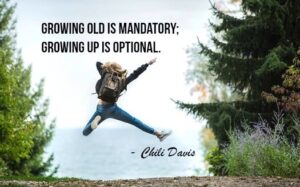
(變老是必然的,但成熟是選擇的。)
You’re Not Old — You’re Carrying Too Much
Living in a world built on cooked food also means living in a world where the body constantly accumulates waste. This is the most accurate portrait of modern human life.
Meals arrive on our table every few hours. We indulge in their flavors, yet rarely understand how they interact with our body; we enjoy the satisfaction they bring, yet seldom reflect on the cost our body must pay.
This is a matter of perception, and also a matter of responsibility. Beauty often hides traps, and excessive enjoyment is always the prelude to disaster.
The body has been speaking to us all along: accepting cooked food is the body’s burden; cultivating the right attitude toward eating cooked food is the eater’s responsibility.
The body does not lack the ability to digest cooked food. What it lacks is time, space, and the margin we must give it to clean up afterward.
Our understanding of aging, illness, degeneration, and disability is full of misconceptions. What truly dulls and darkens the body is not age—it is accumulation.
Frequent eating and insufficient rest are what blind us to the truth: it is accumulation, not age, that makes us old.
—
Midlife and Old Age, or Merely the Weight of Accumulation?
Let’s call ages 50 to 65 “midlife,” and anything beyond 65 “old age.” Midlife leads toward old age, and most people no longer feel young once entering this stage.
But my story unfolded differently.
After I turned forty, my supposedly “prime years” appeared prematurely aged—my body became bloated, my complexion dim. I assumed it was simply part of getting older.
I still believed in calories, in nutritionism, in eating three meals a day. I accepted late nights as normal.
In truth, I didn’t understand the core of health.
Even though I had read countless books on probiotics and written one myself, I still couldn’t hear what my body was trying to say.
Observe middle-aged and elderly people who love exercising:
Their bodies may look fit, yet the liver spots and dullness on their face remain obvious.
Skin speaks. It tells the story of a lifetime of overeating, of a liver overloaded with toxins, and of a person’s unwillingness to change.
It is not age that makes one old—it is accumulation.
—
Fasting Let Me See: What Ages Us Is Not Time, but Waste
Through fasting, I experienced the body’s distress for the first time. The more waste accumulated, the more clearly I saw the immense price the body pays to process food.
This truth is simple, yet few people are willing to understand it deeply.
Returning to middle-aged and elderly bodies:
Why do some older people have no body odor?
Why is their skin smooth and their scent clean?
The answer is clear:
They practice fasting consistently.
And I am one of them.
My fasting journey spans more than a decade, from midlife into old age—years of slow, careful partnership with my body.
A sharper sense of smell, smoother skin, and a clearer presence—these are the results of long-term cooperation with the body.
One day, I suddenly understood my body’s perspective. The missing piece of the health puzzle clicked into place.
I realized: a person does not have to grow older year after year.
What I once thought was natural and inevitable completely shifted.
Instead of moving toward degeneration, I began walking into a body that grew younger year after year.
Time continues to pass, and the age printed on my ID cannot stop increasing.
But I discarded the early-aging look of my forties and stepped into a middle age that moves in reverse—a middle age that grows younger.
—
Aging Is Accumulation; Youthfulness Is Clearance
Aging is age; aging is a record of time lived.
But the “old look” we obsess over is simply the result of accumulation.
As long as the body does not accumulate waste, it does not appear old.
When you trust the process of clearing out the body, when you witness your body returning to youth, you will discover:
your age moves forward, but your body moves backward.
Aging is accumulation; youthfulness is release.
Faced with peers who constantly proclaim “I’m getting old,” a strong impulse arose within me:
I want to tell every person who says they are old—
You are not old. You are simply carrying too much.
What truly ages is a stubborn mind, a rigid worldview, an unwillingness to change habitual patterns, and the firm belief that “I am already old.”
Walk through the doorway of fasting and you will meet the younger version of yourself again.
One day, you will not recognize the “elderly person” in the mirror—because that person refuses to age.
I hold unshakable confidence in youthfulness and in freedom from illness.
But such confidence can only come from experience.
No matter how I explain it, those who have never lived it will never believe it.


