《自律養生實踐家之旅406》 含糊,不是目標
延續〈確診罹癌,怎麼辦?〉的討論,這個議題具備一種能夠翻轉視野的力量。它最適合用來詮釋「以終為始」:不是看見目標而已,而是必須清楚「如何」到達那個目標。
目標若不清晰,方向就會模糊,路徑也就不可能明確。
對於擁有人身的你我而言,最值得信任的「醫生」不是哪一位專家,而是每個人都具備、也是進化最終極的作品:自己的身體。
「沒有病痛」是清楚的目標,這是你與身體之間的合作,而不是醫生能替你完成的功課,這是人生非常重要的覺悟:健康不是醫生的責任,而是自己的責任。
然而現況卻是:生病的人開始重視養生,但他們的「養生」方向,往往是養醫生,而不是養身體。
「確診罹癌,怎麼辦?」之所以震撼,並不是因為罹癌本身,而是我們長久以來都不知道自己該做什麼。此刻若願意回頭,或許還來得及,是回到自己,而不是繼續被外界的意見擺佈。
<「怎麼辦」與「這麼辦」>
被宣告診斷時說出「怎麼辦?」是一種本能;但對熟悉身體語言的人而言,沒有「怎麼辦」,只有「這麼辦」,也就是安住於該做的事,踏實的把它做好。
嚴格來說,一個人若早已清楚該「這麼辦」,且持續在日常中做到,就不會遇到「怎麼辦」的混亂。
「怎麼辦」背後是:不懂、不確定、不明白。
癌症之所以鋪天蓋地,是因為我們對人生意義沒有方向,對自己沒有定義,甚至沒有能力定義快樂。
健康與自己的交集,就是「快樂」。
能讓人快樂的方法很多,但最少人願意踏入的領域是:「和自己在一起」。
有人把一生奉獻給某個專業,成為那個領域的佼佼者,卻從未真正快樂,只因為不敢轉換跑道。
有人被家族安排成接班人,卻在心底極力抗拒,只因真正渴望的生活與家族事業毫無交集。
快樂若不清晰,人生就會隨波逐流;健康若不清晰,身體就會替你喊停。
<身體知道如何移除癌組織>
癌細胞的形成,身體始終知悉;如何清除它,身體也自有方式。我們該做的,是提供身體所需的環境。
從免疫系統的角度,它需要無牽掛的執行「清除障礙」的任務;我們的責任是:讓身體能夠順利做它該做的事。
「健康是自己的事」的意思是:盡其所能營造出一個讓身體能全力工作、全力療癒的內在環境。
無論是否罹癌,該做的事從來沒有不同。
該做的事做到,疾病自然不會靠近;該做的事做好,疾病自然會離開。
他人能為我們做的,是關心與陪伴。而關心與陪伴不是生病後才需要,是人生每一刻都需要的養分。
研究早已證實:充足的愛與連結是生命最重要的後盾。免疫系統的力量,源自我們給自己的愛,也源自我們從人際之間收到的愛。
<療癒之路,不靠醫療>
沒生病的人要穩住健康;生病的人要走上療癒之路。這條路的核心是:全然放鬆、做自己想做的事、把愛送出去。
身體療癒不需要醫療介入,身體需要能量與營養、免疫系統需要益菌的支持,而心需要喜悅與鬆開。
罹癌的問題不在罹癌之後,而在罹癌之前。確診之後唯一的方向,就是回到自己、回到身體,這就是「健康是自己的事」最深的含義。
如果依然困惑……若你仍感迷惘,仍不確定健康無病痛的目標,去找幾位癌友聊聊吧。
問問他們:在生病之前,他們心裡真正的狀態是什麼?他們是否想過什麼是「沒有病痛」的生活?
你會聽到的,往往不是疾病,而是:「我一直不快樂」、「我一直很累」、「我不知道活著的意義何在」。
請想像一位癌友躺在病床,身旁是源源不絕的探視與各式營養品。有人提供秘方,有人勸他好好治療;場景在醫院,而他心裡想的卻是家。
罹癌的人最渴望的「家」,就是健康;而真正的家,就在自己的身體裡。
身體,是回家的路;醫藥,是這條路上的干擾;治療,往往是阻擋身體回家的力量。
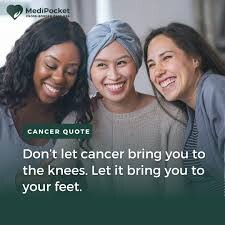
健康是一個清楚的目標;回家的路,只有一條:走回自己的身體。而這條路,只能靠你自己的雙腳完成。。
(別讓癌症把你擊倒在地,而要讓它讓你重新站起來。)
Ambiguity Is Not a Goal
Following the discussion in “I Was Diagnosed With Cancer—What Now?”, this topic holds a rare power: it can overturn one’s perspective. It is the perfect lens for interpreting “begin with the end in mind”: not merely seeing the goal, but understanding how to reach it.
When a goal is unclear, direction becomes vague, and the path forward can never be precise.
For those of us who inhabit a human body, the most trustworthy “doctor” is not any expert out there, but the ultimate masterpiece of evolution we all possess—our own body.
“No illness and no pain” is a clear goal. Achieving it is a collaboration between you and your body, not a task a doctor can complete for you. This is an essential awakening in life: health is not the doctor’s responsibility—it is your own.
Yet in reality, people start caring about “wellness” only after falling sick, and their version of “wellness” often nourishes the medical system rather than their own body.
The shock of “What should I do after being diagnosed with cancer?” does not come from cancer itself. It comes from the fact that we have never known what we should be doing. And if you are willing to turn back now, it might not be too late—not turning back to medical opinions, but turning back to yourself.
—
“What Should I Do?” vs. “This Is What I Will Do”
The instinctive reaction upon hearing a diagnosis is to ask, “What should I do?”
But for someone familiar with the language of the body, there is no “What should I do?”—only “This is what I will do.” It means settling into what must be done, and doing it steadily and completely.
Strictly speaking, a person who has long known what must be done—and actually does it consistently in daily life—will never encounter the chaos of “What should I do?”
Behind the question “What should I do?” lie three things: not knowing, not understanding, and not being certain.
Cancer overwhelms the world not because it is powerful, but because we lack direction in life, lack a definition of self, and lack the ability to define happiness.
The meeting point of health and self is happiness.
There are countless ways to pursue happiness, yet the path few dare to enter is:
being with oneself.
Some dedicate their entire lives to a profession, becoming leaders in the field but never truly happy—simply because they fear changing paths.
Some become heirs to a family business despite resisting it deeply, because the life they truly yearn for has nothing to do with the role assigned to them.
When happiness is unclear, life drifts.
When health is unclear, the body will force you to stop.
—
The Body Knows How to Remove Cancer
The body has always known how cancer cells form; it also knows how to remove them. Our task is simply to provide the conditions it requires.
From the standpoint of the immune system, it needs the freedom to carry out one mission: clearing obstacles. Our responsibility is to avoid obstructing this mission and to create an environment where the body can do its work.
“Health is your own responsibility” means crafting an internal environment where the body can work and heal with full capacity.
Whether you have cancer or not, the things you must do are never different.
When you do what must be done, illness will not approach.
When you do it well, illness will naturally leave.
What others can offer us is care and companionship. And these are not things we need only after falling sick—they are nutrients needed at every moment of life.
Research has long shown that adequate love and connection are the deepest pillars of health.
The immune system draws strength from the love we give ourselves, and the love we receive from others.
—
Healing Does Not Depend on Medicine
Those who are not sick must stabilize their health.
Those who are sick must walk the path of healing.
The essence of this path is simple: relax completely, do what your soul truly wants, and offer love outward.
The body does not require medical intervention to heal.
It needs energy and nourishment;
the immune system needs beneficial microbes;
the heart needs joy and release.
The real issue with cancer is not after diagnosis—it is before diagnosis.
After the diagnosis, there is only one direction:
return to yourself, return to your body.
That is the deepest meaning of “health is your own responsibility.”
If you still feel confused—if you remain unsure about the goal of health and freedom from illness—go speak with cancer patients.
Ask them:
What was your true inner state before falling ill?
Had you ever imagined what a life without illness could be?
What you hear often has nothing to do with disease, but everything to do with the heart:
“I was never happy.”
“I was exhausted all the time.”
“I didn’t know what the meaning of my life was.”
Now imagine a cancer patient lying in bed, surrounded by visitors and endless bottles of supplements. Someone brings secret remedies; someone urges them to “follow the treatment plan.” The scene is in a hospital, but their heart is thinking of home.
The “home” people with cancer long for the most is health;
and that true home lies within their own body.
The body is the path home.
Medicine is the interference along that path.
Treatment often becomes the force that blocks the body from returning home.
Health is a clear goal.
And the path home is singular:
walk back into your own body.
And this path can only be completed with your own two feet.


