
《自律養生實踐家之旅416》 對立,不在大自然的詞彙中
我父親很少對我談起他生命中的辛酸,他提及的,總是那些對我有助益的事。至於為何走上從醫之路,他從未親口說明;他的行醫動機與價值,只能透過我長年細緻的觀察,一點一滴被我記錄下來。
有一段重要的歷史,發生在我出生之前。父親向我提起那段往事,並非為了彰顯自己的功勞,卻無形中在我心中,奠定了醫藥崇高而不可撼動的地位。然而諷刺的是,我童年時期所被灌注的價值觀,最終卻一一被我親眼所見的現實推翻。
故事的主角,是抗生素,父親口中的盤尼西林。那是他成立診所前幾年的事,當時地方上聚集了大量自中國大陸撤退來台的軍人,淋病在軍中迅速蔓延。父親形容那時的盤尼西林如同神藥,幾乎是一針見效。
而我,則從自己的邏輯中,看見了兩條逐漸分岔的軌跡:一條存在於父親的行醫價值觀裡;另一條,則延伸進藥廠不斷擴張的抗生素研發史。
嚴格說來,這兩條軌跡皆由人性所驅動。這不是我的發現,而是我在長時間與身體合作之後,清楚看見的結果。
佛萊明發現盤尼西林,源自他敏銳的觀察力,卻也純屬意外。幾乎所有重大的科學突破,都帶著這樣的元素,如同兩個人從相遇到相愛,背後總有一雙來自上蒼的巧手。
失控,從來不是意外。所有進入人類世界的不對勁與不歡喜,從人性的角度來看,都是必然會發生的狀態,只是聰明的人類,選擇將它合理化。
極度不尋常的現象,往往被我們的認知解釋為「正常」。那正是我童年時期,從大人口中反覆聽到的重點。關於生病,關於醫藥,那些框架,被強制內建在我們的思想之中。
將近二十年前,我開始站上講台,談論益生菌與抗生素之間的糾葛。提醒我「不要過度醜化醫療」的人,幾乎都是我所熟識、我也理解立場的人;只是他們堅守自己的立場,卻始終不明白我的堅持。
養生的體悟,對我而言是一條成長的路徑。當我轉換到身體的立場後,這已不再是對與錯的辯證,而是一場大自然與人性之間的分庭抗禮。
這齣戲,從來不會有完結篇。它只會越演越糾纏,越來越難以收拾。大自然始終站在一旁看戲,人類如何表演,都不會影響它既定的運作路線。
回溯自己的成長歷程,我時常被提醒「不要與醫療對立」;也不時有人坦白表示聽不懂我的論述;更有人指出,我的觀點違背了他們一貫的思想。
青黴素(盤尼西林)的發現被放大到今日的規模,有一個關鍵情節必須被釐清:這些黴菌衍生物的本質,只是用來制衡細菌的繁殖;然而人類,卻選擇從「殲滅」的方向,不斷擴張抗生素的版圖。
若將視角暫時聚焦在腸道菌相的生態,只要有益菌的版圖足夠強大,有害菌的破壞力自然會降低,大自然自有其維持平衡的生存法則。
然而,當抗生素處方進入人體,就如同轟炸機轟炸城市,好人與壞人無法分辨,只有全面清除。
我必須誠實奉勸所有糾正我的路人,甚至包括某些家人:真正開啟對立模式的,從來不是身體。請不要將說故事的人,定義為製造對立的人。
多年來,時間一點一滴累積了我的認知。我必須把森林整體的平衡運作搬出來說明,負責維持平衡的,是細菌與大自然的力量;而揮動斧頭砍樹的,是人;破壞山林世界的,也是人。
人體,正是外在大自然的縮影。所有運作方式與法則,完全一致。平衡一旦失序,便會嘗試修復;一旦失控,就只能反撲,而反撲,本身也是一種平衡的力量。
成熟,是我記錄「身體之道」的軌跡,也是我的結論。成熟可以從許多角度探討,而我選擇從生命的高度切入,讓成熟涵蓋健康最真實的呈現。
身為授業與解惑者,每一次撰述與講授都必須經過深思。慎思,是必要的養成;勇氣,則是必要的練習。這兩者,構成我持續前行的重要後盾。
身體之道本身就是真理,它不需要過多的解釋,也無須反覆證明。只要你行走其間,自然會清楚自己所見證的一切。
在觀察疾病的路上,我發現一種從不缺席的病源,名為「他人」。無論是道聽塗說、人言可畏、多管閒事,或過度在意他人的觀點,結果往往就是生病。
把這一切放下,就是成熟;與自己在一起,就是成熟;當生命中不再存在任何對立的思維與狀態,那便是成熟。
坐上身體的駕駛艙,從身體的視野向外看去,生命中的一切發生,都清楚而完整的呈現在眼前。
對立,從來不在大自然的詞彙之中,團結與共生才是大自然的全貌。
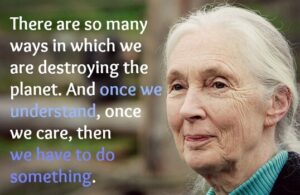
(我們正在以無數種方式摧毀這顆星球;而一旦我們真正理解了,也真正開始在乎了,就必須有所行動。)
Opposition Is Not a Word in Nature
My father rarely spoke to me about the hardships of his life. What he chose to share were always the things he believed would benefit me. As for why he became a doctor, he never explained it directly. His motivations and values in practicing medicine could only be understood through my long years of observation, slowly and carefully recorded through my own eyes.
There was a significant chapter of history that took place before I was born. When my father spoke of it, it was not to highlight his own achievements, yet it quietly established in my mind a reverence for medicine—one that felt unquestionable and unshakable. Ironically, the values instilled in me during childhood were later overturned, one by one, by what I witnessed firsthand.
The protagonist of this story is antibiotics—penicillin, as my father called it. This took place a few years before he opened his clinic, when large numbers of soldiers who had retreated from mainland China had settled locally, and gonorrhea was spreading rapidly through the military. My father described penicillin at that time as a miracle drug—often effective with a single injection.
From my own logic, however, I gradually came to see two diverging trajectories. One existed within my father’s values as a physician; the other extended into the ever-expanding history of antibiotic development driven by pharmaceutical companies.
Strictly speaking, both trajectories are driven by human nature. This is not a discovery of mine, but a conclusion I arrived at only after years of working closely with my own body.
Alexander Fleming’s discovery of penicillin was born of keen observation, yet it was also accidental. Nearly all major scientific breakthroughs share this quality—much like two people meeting and falling in love, guided by an unseen hand from above.
Loss of control is never an accident. Everything that feels out of place or unpleasant once it enters the human world is, from the perspective of human nature, inevitable. The only difference is that clever humans choose to rationalize it.
Extremely abnormal phenomena are often explained away by our cognition as “normal.” This was a recurring lesson I heard repeatedly from adults during my childhood. Illness and medicine were framed in ways that were forcibly embedded into our thinking.
Nearly twenty years ago, I began standing at lecterns, speaking about the entanglement between probiotics and antibiotics. Those who warned me not to “demonize medicine” were mostly people I knew well and understood. They held firmly to their positions, yet never truly understood mine.
For me, insights into wellness represent a path of growth. Once I shifted to the body’s perspective, this was no longer a debate of right versus wrong, but a confrontation between nature and human nature.
This drama has no final act. It only becomes more entangled, more difficult to contain. Nature remains an observer, unaffected by how humans perform. Its course of operation never changes.
Looking back on my own development, I was often reminded not to “oppose medicine.” Others openly admitted they could not understand my arguments. Still others insisted that my views contradicted their long-held beliefs.
The discovery of penicillin, magnified to its present scale, contains a crucial point that must be clarified: these fungal derivatives were originally meant only to restrain bacterial reproduction. Humans, however, chose to expand antibiotics in the direction of annihilation.
If we shift our focus briefly to the ecology of the gut microbiome, it becomes clear that when beneficial bacteria hold sufficient territory, the destructive capacity of harmful bacteria naturally diminishes. Nature has its own laws for maintaining balance.
Yet when antibiotics enter the human body, the effect is akin to bombers leveling a city—no distinction between good and bad, only total eradication.
I must speak honestly to those who try to correct me, including some members of my own family: the body has never been the one to initiate opposition. Please do not define the storyteller as the creator of conflict.
Over the years, time has slowly accumulated my understanding. I must invoke the balance of an entire forest to explain this: bacteria and nature are responsible for maintaining equilibrium; humans are the ones who swing the axe, who destroy the ecosystem.
The human body is a microcosm of nature itself. Its modes of operation and governing laws are identical. When balance is disrupted, repair is attempted; when control is lost, backlash follows—and backlash itself is a force of balance.
Maturity is the trajectory along which I have recorded The Way of the Body, and it is also my conclusion. Maturity can be examined from many angles, but I choose to approach it from the height of life itself, allowing it to encompass the most authentic expression of health.
As one who teaches and resolves doubts, every act of writing and every lecture must be deeply considered. Thoughtfulness is a discipline; courage is a practice. Together, they form the foundation that allows me to keep moving forward.
The Way of the Body is truth in itself. It requires no excessive explanation, nor repeated proof. Walk this path, and what you witness will become self-evident.
In observing disease, I have identified one pathogen that never fails to appear: “other people.” Gossip, hearsay, unsolicited interference, or excessive concern for others’ opinions often lead directly to illness.
Letting all of this go is maturity. Being with oneself is maturity. When opposition no longer exists as a mode of thought or a state of being, that is maturity.
Take a seat in the cockpit of the body. From the body’s perspective, everything that unfolds in life appears clearly and completely.
Opposition has never been a word in nature. Unity and coexistence are nature’s true form.


