《自律養生實踐家之旅424》 大自然的選擇與人的選擇
看到「天擇」,我的第一個反應,是收納。那個「天」字,帶有一種不可辯駁的力量。
你可以將它理解為造物主,也可以以科學的語言詮釋為自然法則。無論哪一種解讀,「天」都指向一種超越個體意志的秩序。
在我的理解中,「天擇」始終與進化緊密相連。不論動物或植物,不論體內或體外,自然的力量一方面被基因記錄,一方面也被自然的平衡機制所制約。
生存,不只是競爭,更是一種被篩選的結果。面對這樣的議題,人往往有兩種反應:一種是交給科學,與我無關;另一種則是承認——與我息息相關,我必須回應。
思考,於是開始分岔。我們會被分類,也會自我分類;而每一次分類,本質上都是一次選擇。選擇,必然導向結果。既然是自己的選擇,就無法逃避其後果。
問題從來不在結果,而在我們面對結果的態度。我們習慣把不願承擔的責任推向外界,直到結果真實落在自己身上,事實會逼迫我們直視承擔。
對於生物體,最終的承擔,往往就是——交出生命。
在人類社會,我們仰賴法律來象徵秩序。但法律由人制定,執行者是人,違法者也是人。人可以詭辯,也可以伸張正義。
然而,一旦回到生命本身,真正的正義,不在人間制度之中,而在自然法則之內。那是一種無所不在的秩序,傲慢與貪婪,在其中無所遁形。
當身體進入不可逆的失序與失控,那不是偶然,而是選擇的結果。可能是選擇了傷害健康的工作,可能是選擇了消耗生命的關係,也可能,是選擇相信違背自然的「專業」。
高壓與高收入的交換,是最常見的錯誤選擇。長期熬夜、日夜顛倒,以及讓身體長期承受消化的負荷。
而家庭,往往成為最後一根稻草。那不是因為關係脆弱,而是因為距離太近,防線太低。日常相處,成為壓力最容易滲透的裂口。
至於「專業」,更是一個令人不安的領域。當所謂的專業違背自然法則,它就不再是指引,而是偏離。
我們之所以驚覺問題的嚴重,往往是在有人走到生命的盡頭之後。那種「來不及」,成為最沉痛的告白。
因為我們選擇忽視,因為我們選擇相信,因為我們把聽來的,當成真理。人類最可怕的,不是無知,而是理所當然。人類最糟糕的選擇,不是錯誤,而是聽不到真話。
我曾經歷過那種理所當然,那是一種由自大與傲慢所操控的狀態,也是環境與教育共同塑造的結果。
慶幸的是,我終於把真話聽進去。彷彿某種更深層的力量,壓過了我的傲慢,良知終於馴服無知。
於是,我選擇停損。我開始相信,大腦之外,還有身體的聲音。
這是一種「視窗的轉換」。而這樣的轉換,是一生中最困難的選擇之一。因為改變,往往伴隨失去。但如此改變卻越加靠近真理,也靠近自然。
開始與身體對話,我進入了另一個理解層次。疲累,是訊號;壓力,是界線;人與環境,也都有其頻率與磁場。
我開始記錄這一切,也逐漸在與他人的互動中,看見情緒的根源,甚至看見疾病的軌跡。
這些理解,不是推論,而是一種不假思索的領悟。而所有的領悟,最終都回到同一件事,那是自然法則的顯現。
生病,是人的選擇;健康,是大自然的選擇。我們必須在兩者之間,做出取捨。
我們雖然是人,卻可以選擇用大自然的方式生活;我們的生命有限,但我們可以依循無限的法則而活。
回到日常,每一個片刻都是選擇。我們要做的,不是完全拒絕「人的選擇」,而是讓「自然的選擇」,遠遠高於人為的干預。
以斷食為例,對多數人來說,那是一種「選項」。但對我們而言,那是身體的需求。當身體呼喚休耕,我們選擇順從。
熟食,是人的選擇;而自然,並不指定要它。當我降低干預,身體便開始重建屬於它的平衡。而過量熟食的負擔,身體會透過訊號清楚表達。
人之所以常陷入「沒辦法」,其實是因為過度選擇了人為。當我們說「不得已」,往往已經放棄了更好的可能。
「沒辦法」,是否正一步步帶我們走向「來不及」?「不得已」,是否正在逼近「太遲了」?
逃避選擇的代價,終究還是要回來承擔。最嚴苛,也最難堪的結局,是用生命,去交換當初不敢做決定的後果。
因為,人的選擇很容易,而大自然的選擇很詭異,因為它從來不與我們討價還價。
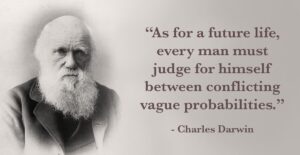
(至於來世,每個人都必須在彼此矛盾且模糊的可能性之間,自行作出判斷。)
The Choice of Nature and the Choice of Man
When I encounter the term “natural selection,” my first response is acceptance. The word “nature” carries an undeniable authority.
You may interpret it as the will of the Creator, or explain it through the language of science as the laws of nature. Either way, it points to an order that transcends individual will.
In my understanding, natural selection has always been inseparable from evolution. Whether in animals or plants, within or beyond the body, the forces of nature are both recorded in our genes and regulated by nature’s own balancing mechanisms.
Survival is not merely competition—it is the outcome of being selected.
When faced with such a subject, people tend to respond in two ways: one is to leave it to science, as something unrelated to oneself; the other is to acknowledge that it is intimately connected to one’s own life—and therefore demands a response.
From here, thought begins to diverge. We classify, and we are classified. Each act of classification is, in essence, a choice. And every choice inevitably leads to consequences. Once it is our own choice, we cannot escape what follows.
The issue has never been the outcome, but our attitude toward it. We are accustomed to shifting responsibility outward—until the result lands squarely upon us, forcing us to confront it.
For a living being, the ultimate act of accountability is often this: the surrender of life.
In human society, we rely on laws to symbolize order. Yet laws are created by people, enforced by people, and broken by people. Humans can argue, distort, or uphold justice.
But when we return to life itself, true justice does not reside in human systems—it exists within the laws of nature. It is an omnipresent order in which arrogance and greed cannot hide.
When the body enters irreversible disorder and loss of control, it is not accidental—it is the result of choices.
It may be the choice of a job that damages health, a relationship that drains life, or a belief in “expertise” that defies natural principles.
The exchange of high pressure for high income is one of the most common misguided choices. Chronic sleep deprivation, reversed day-night cycles, and the continuous burden of digestion all take their toll.
And family often becomes the final straw—not because the bond is fragile, but because proximity lowers defenses. Daily interactions become the easiest entry point for stress.
As for “expertise,” it is perhaps the most unsettling domain of all. When so-called expertise contradicts natural law, it ceases to guide and instead leads us astray.
We often awaken to the severity of these issues only after someone has reached the end of life. That sense of “too late” becomes the most painful confession.
Because we chose to ignore. Because we chose to believe. Because we mistook what we heard for truth.
What is most frightening about humanity is not ignorance, but assumption. And the worst choice is not error, but the inability to hear the truth.
I have lived within that assumption—a state shaped by arrogance and pride, molded by environment and education.
Fortunately, I eventually heard the truth. It was as if a deeper force overcame my arrogance, allowing conscience to tame ignorance.
So I chose to stop the loss. I began to believe that beyond the mind, there is also the voice of the body.
This is a shift of perspective—a change of window. And such a shift is one of the most difficult choices in life. Because change is often accompanied by loss. Yet this loss brings us closer to truth, and closer to nature.
As I began to listen to my body, I entered a new level of understanding.
Fatigue became a signal. Stress revealed boundaries. People and environments each carried their own frequencies and fields.
I started to record these observations, and through interactions with others, I gradually began to see the roots of emotions—even the trajectories of disease.
These insights were not deductions, but realizations that required no deliberation. And all realizations ultimately point to the same thing: the manifestation of natural law.
Illness is the choice of man; health is the choice of nature. Between the two, we must decide.
Though we are human, we can choose to live in alignment with nature. Our lives may be finite, but we can follow infinite laws.
Returning to daily life, every moment is a choice. What we must do is not to reject human choices entirely, but to let the choice of nature far outweigh human intervention.
Take fasting as an example. For most people, it is an option. For us, it is a necessity of the body. When the body calls for fallow time, we choose to comply.
Cooked food is a human choice; nature does not require it. When I reduce interference, the body begins to restore its own balance. The burden of excessive cooked food is clearly communicated through bodily signals.
The reason people often feel they “have no choice” is because they have overcommitted to human-made decisions. When we say “I have no choice,” we have often already abandoned a better possibility.
Is “no choice” quietly leading us toward “too late”?
Is “I have to” inching closer to “it’s already too late”?
The cost of avoiding choice must eventually be paid. The harshest and most difficult outcome is to exchange one’s life for the consequences of decisions once left unmade.
Because human choices are easy—
while the choice of nature is unfathomable.
It never bargains with us.


