
《自律養生實踐家之旅425》 驚嚇的片刻
有一種情節,常在閒話家常中被提起:「聽說某某人,看不出有任何毛病,卻突然去世了。」聽到這樣的消息,我們總會為死者家人感到惋惜,也再次被提醒人生的無常。
然而,「看不出有任何毛病」,從來不是真相。看不出,不代表沒有;沒被看見,往往只是因為被忽視。身體的異常從不憑空發生,它必然留下痕跡,只是我們選擇不去解讀。
把焦點拉回最親近的兩人世界,朝夕相處的家人,竟完全察覺不到任何異常,這早已不是個案,而是一種普遍現象。這代表的,不只是疏忽,而是整體社會教育的巨大缺口。
我從不輕看這個現象,因為它會不斷擴大,最終形成吞噬生命的黑洞。養生觀念全面失真,問題的源頭往往來自一種從小被灌輸的信念:「醫生的權威」。
試著想像,我在街上向路人說明:「身體長時間處於連續十多小時的消化狀態,會帶來什麼風險」,幾乎沒有人會願意聽。再試著談睡眠被忽視的後果,多數人也只是點頭,然後轉身離開。
然而,正是這兩件被輕忽的小事,日積月累,最終可能讓身體在某一刻全面停機:前一秒還好好的人,下一秒,生命戛然而止。
2001年9月11日的紐約,是個陽光燦爛的早晨。第一架飛機撞上北塔時,多數人以為那只是意外。直到第二架飛機撞上南塔,所有人才驚覺:「這是恐攻」。
後來公開的紀錄片中,有一段對話令人難以忘懷。一位受困南塔的人對911接線員說:「你們什麼時候會來救我們?」話音未落,隨著一陣尖叫,南塔倒塌。
大樓的倒塌,與身體的崩潰,其實有著相似的背景:都是忽視,都是缺乏危機意識,我想到的是受害者和營救單位都面臨的無助。
北塔被撞之後,有人迅速撤離南塔,也有人打電話報平安,認為「這裡沒事」。
事實證明,「沒事」,只是尚未發生。
更令人唏噓的是,兩名恐怖分子早已被一位聯邦調查局探員鎖定。他甚至預測雙塔將成為攻擊目標。但他的警告,被體制所忽視。事件發生前,他離開調查局,轉往北塔擔任保全主管,最終在事件中喪生。
事後,人們回想起他所有的預警,只能低聲呢喃:「早聽他的話就好了」。
2021年的全球疫苗荒,也是一場集體焦慮的縮影。那是一種「只要有就好」的氛圍,程序可以被跳過,風險可以被忽略,只求立即解決。
檯面下的運作無從得知,檯面上的敘事則充滿慈善與援助。但到了2022年,認知開始反轉。越來越多人感受到疫苗後的影響,不在自己身上,也出現在親友之中。
幾年過去,真相似乎依然模糊。有人說,那只是運氣不好。但從另一個角度看,這更像是一場醫藥版圖對全人類的集體實驗。有人承受後遺症,有人悄然離世,也有人在毫無預警中失去生命。
我曾在家門口遇見一對準備去接種疫苗的鄰居夫妻。我試著勸他們不要去,那時,我的妻子已出現接種後的全身關節不適。
那位太太最終選擇不打,甚至後來還參加了我與蔡醫師合辦的疫苗講座。而我,卻無法阻止身為醫護的妻子做出不同的選擇。
這樣的劇情並不罕見,卻值得深思。忽視的背後,是因為熟悉?還是輕視?是來自舒適的慣性?還是隱藏著既得利益的影子?
在這樣的時代,我所做的事顯得微不足道。相信我的人,始終是少數。當我提出「生病,是忽視細菌與身體之道的結果」,連我自己的學員,都未必完全相信,更遑論外界。
但我們真正忽視的,其實不是知識,而是法則:是身體這個大自然系統裡,早已存在的原始設定。
我母親在離世當天的上午,還中氣十足地與我通話。到了下午,一切驟然終止。那一刻,在我記憶中,永遠停留在驚嚇的片刻。
這不是意外。這是長期忽視法則後的必然結果,是對身體失序毫無察覺的終局。
911奪走近三千條生命,我們稱之為意外,但那其實是一場可以避免的災難。當警訊早已存在,當風險早已被預知,它就不該被稱為意外。
就在我逐漸看懂「身體之道」的那一刻,我也看清了醫療體系對人體的輕視。那些被稱為治療的邏輯,對身體而言,往往沒有意義,甚至,其傷害,遠遠超過病人因相信醫生而產生的心理安慰。
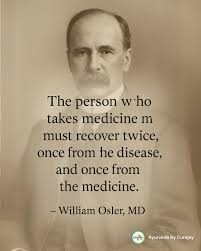
(相信醫療的人,往往要痊癒兩次——先從病裡出來,再從藥裡出來。)
A Moment of Shock
There is a line we often hear in casual conversation:
“I heard that so-and-so seemed perfectly fine—no signs of illness at all—yet suddenly passed away.”
When we hear such news, we feel sorrow for the family, and once again we are reminded of life’s impermanence.
Yet “seemed perfectly fine” is never the truth.
Not seeing something does not mean it isn’t there; what goes unnoticed is often simply ignored. The body never malfunctions without cause. It always leaves traces—only we choose not to read them.
Bring the focus back to the most intimate world between two people. Even those who live together day and night may fail to notice any abnormal signs. This is no longer an isolated case—it is a widespread phenomenon. What it reveals is not mere oversight, but a profound gap in our collective education.
I have never underestimated this phenomenon, because it continues to expand, eventually becoming a black hole that devours lives. Our understanding of health has been fundamentally distorted, and the root of the problem often lies in a belief instilled from a young age: the unquestioned authority of doctors.
Imagine me explaining to a passerby on the street:
“What risks arise when the body remains in a continuous state of digestion for over ten hours?”
Almost no one would be willing to listen.
Try discussing the consequences of neglected sleep—most people would nod, then walk away.
Yet these two seemingly trivial matters, when accumulated over time, may ultimately cause the body to shut down entirely in a single moment: a person who was fine one second, gone the next.
On the morning of September 11, 2001, New York was bathed in sunshine. When the first plane struck the North Tower, most people believed it was an accident. Only when the second plane hit the South Tower did everyone realize: this was an act of terror.
In a documentary released later, there is a line that is impossible to forget. A person trapped in the South Tower asked a 911 operator, “When will you come rescue us?” Before the sentence was finished, a scream followed—the tower collapsed.
The collapse of the towers and the collapse of the body share a similar background: both stem from neglect, both from a lack of awareness of impending danger. What comes to mind is the helplessness faced by both victims and rescuers.
After the North Tower was hit, some people evacuated the South Tower immediately. Others made calls to reassure their loved ones, believing, “We’re safe here.”
Reality proved otherwise: “safe” simply meant “not yet.”
Even more tragic, two of the terrorists had already been identified by an FBI agent. He had even predicted that the Twin Towers could become targets. Yet his warnings were ignored by the system. Before the attack, he left the Bureau and became head of security at the North Tower—where he ultimately lost his life.
Afterward, people could only reflect on his warnings and murmur, “We should have listened.”
The global vaccine shortage in 2021 was another reflection of collective anxiety. It created an atmosphere of “anything is fine as long as we have it.” Procedures could be skipped, risks could be overlooked—immediate solutions were all that mattered.
What happened behind the scenes remains unclear, while public narratives were filled with compassion and aid. But by 2022, perceptions began to shift. More and more people experienced post-vaccination effects—if not personally, then among friends and family.
Years have passed, and the truth still seems blurred. Some say it was simply bad luck. From another perspective, however, it resembles a large-scale experiment across humanity within the pharmaceutical landscape. Some bear lasting side effects, some pass away quietly, and others lose their lives without warning.
I once encountered a couple at my doorstep, preparing to get vaccinated. I tried to persuade them not to go. At the time, my wife had already developed widespread joint discomfort after her vaccination.
The wife chose not to proceed, and later even attended a vaccine seminar I co-hosted with Dr. Tsai. But I could not stop my own wife, a healthcare professional, from making a different decision.
This kind of scenario is not uncommon, yet it deserves reflection. What lies behind neglect? Familiarity? Indifference? The inertia of comfort? Or perhaps the shadow of vested interests?
In such an era, what I do may seem insignificant. Those who believe in me have always been few. When I propose that “illness is the result of ignoring bacteria and the body’s natural way,” even my own students do not necessarily accept it—let alone the broader public.
But what we truly ignore is not knowledge—it is principles. It is the original design embedded within the body, a system that belongs to nature itself.
On the morning of the day my mother passed away, she spoke with me over the phone, full of energy. By the afternoon, everything had abruptly ended.
That moment has remained in my memory forever—a moment of shock.
It was not an accident. It was the inevitable result of long-term neglect of natural laws, the final outcome of being completely unaware of the body’s loss of order.
The attacks of 9/11 claimed nearly three thousand lives. We call it an accident, but it was in fact a preventable disaster. When warnings already existed, when risks had already been foreseen, it should not be called an accident.
As I gradually came to understand “the way of the body,” I also saw clearly the medical system’s disregard for it. What is called treatment, from the body’s perspective, often lacks meaning. In many cases, the harm it causes far exceeds the psychological comfort patients gain from believing in their doctors.


