
《自律養生實踐家之旅430》 交接
我經常以「蘋果爺爺」的故事比喻斷食。透過自然農法對照人體,我想說明一個觀念:土壤需要休耕,身體也需要有一段不處理食物的常態性休息,這正是熟練斷食最重要的動機引導。
多數人比較不理解的,是蘋果爺爺所經歷的漫長等待。那麼長的時間裡,究竟發生了什麼?大自然如何介入蘋果園的土壤翻轉?為什麼這個過程必須耗費八年?
這一則故事,我在課堂中講了十多年。我常以昆蟲、鳥類與細菌的角色,說明這八年的辛苦。大自然需要花這麼長的時間,清除農藥與肥料所留下的餘毒,也需要重新安排土壤裡的生命秩序。
如果要用一個最精確的詞來解釋這八年,我認為就是交接。
大自然與非自然需要交接,自然程序與人為干預需要轉換,對大自然的臣服與違逆,也需要經歷一場大規模的汰換。
進入斷食之前,每一位動機明確的人,其實都會先意識到自己身上的藏污納垢,也會確認自己的身體早已失調、失序。這份覺察,就是把身體重新委託給大自然接手的起心動念。
斷食生活化,也是大腦意識與身體意識的交接過程;腸道菌相重建,也是細菌新秩序與舊環境的交接過程。
另一則經常被我反覆講解的交接劇本,發生在懷孕婦女的腸道。研究人員透過受測婦女的糞便菌相,觀察到懷孕婦女會經歷三個階段的菌相轉換。第一階段以新生兒的需求為主,第三階段則以分娩與哺乳的需求為主;至於第二階段,便是兩種截然不同菌相的交接過程。
你可以把它想像成部隊交接,也可以想像成交班時必要的交接手續。當我們把熟悉的生活場景轉換到自己的身體裡,真正值得深思的是:如果大腦和身體之間從未經過交接手續,我們又如何指望身體能夠確實達成任務?
斷食必須是一種有計畫性的行為,而不應只是隨機性的嘗試,關鍵就在於我所體會到的「主控權」。
畢竟,平衡與廢物清運都屬於身體的責任範圍。你必須很明確的和身體完成交接,身體才會清楚自己被授權,才知道該在什麼時候重新啟動它原本就具備的能力。
多數人主觀排斥斷食,是因為他們的思考聚焦在遠離食物的痛苦,卻無從理解,養生之道早已設定在身體的責任範圍之內。斷食的習慣,其實就是和身體建立合作默契的練習。
在我把主控權交接給身體之前,身為斷食初學者,我也曾花了不短的時間摸索。無論是菌相重建、空腹感,或是肝膽淨化的意義,都不是一開始就能全然理解。直到某一天,我才真正經歷了「腦思考」與「身體作主」之間的交接。
感謝《為什麼要睡覺》這本書,帶領我在這些歲月中重新提升睡眠的價值。在不耽誤睡眠的前提下,我逐漸建立起屬於自己的睡眠儀式。
八小時的睡眠,對應八小時的工作;如果是學生,則對應八小時的學習。而在這兩段八小時之間,最容易被忽略的,正是睡眠與清醒之間的交接期。
如何善用工作與睡眠之間的轉換,是一個人是否真正理解身體、是否真正重視身體的關鍵。因為我們不是把工作移到這個緩衝階段,就是讓工作繼續侵占睡眠的時間。
斷食,是讓身體每天都有一段不被食物打擾的時間;睡眠與工作的交接,則是讓身體每天都有一段逐漸鬆弛的階段。
攤開一天的時間線,上班前與下班後的那段時間,你的全身多半處於緊繃狀態,還是有機會輕鬆自在的迎接工作與睡眠?
話題至此,我對自己的期許,是珍惜每天的交接時段,好好善用生命所賦予的資源:該工作的時候工作,該放鬆的時候放鬆,該睡覺的時候睡覺。
有機會看到太陽緩緩升起的天空,半天之後,再看到它逐漸消失在眼前的美景,或許還真有一種白天和黑夜交接的串聯。
在我們身上,不也是因應著晝夜在交替運作著。交感和副交感要交接,血清素和退黑激素要交接,淋巴系統和膠淋巴系統要交接,交接似乎早已是生命運作的一部份。
懂得交接才懂得養生,懂得交接就懂得授權,懂得授權就懂得交付。
真正的養生,不是把身體逼到極限之後,再期待它替我們善後。而是在每一次交接之前,都願意放下大腦的逞強,把主控權交還給身體。
人若懂得交接,就懂得分寸;懂得分寸,就有機會重新回到自然的節奏。斷食如此,睡眠如此,人生亦然。
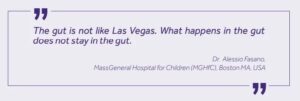
(腸道不是拉斯維加斯;腸道裡發生的一切,並不會只停留在腸道。)
Handover
I often use the story of “Grandpa Apple” as a metaphor for fasting. Through the comparison between natural farming and the human body, I want to illustrate one idea: soil needs to lie fallow, and the body also needs regular periods of rest in which it does not have to process food. This is the most important motivational foundation for becoming skilled at fasting.
What most people find difficult to understand is the long waiting period that Grandpa Apple went through. During all those years, what exactly was happening? How did nature intervene in the transformation of the apple orchard’s soil? Why did this process have to take eight years?
I have told this story in my classes for more than ten years. I often explain those eight difficult years through the roles of insects, birds, and bacteria. Nature needed that much time to clear away the residual toxins left behind by pesticides and fertilizers, and it also needed to rearrange the order of life within the soil.
If there is one word that most precisely explains those eight years, I believe it is handover.
Nature and the unnatural needed a handover. Natural processes and human interference needed a transition. Submission to nature and defiance of nature also had to go through a large-scale replacement.
Before entering a fast, every person with a clear motivation will first become aware of the filth and accumulation hidden within the body. They will also recognize that their body has long been imbalanced and disordered. This awareness is the first impulse to entrust the body back to nature.
Turning fasting into a way of life is also a handover between brain consciousness and body consciousness. Rebuilding the gut microbiota is also a handover between a new bacterial order and an old internal environment.
Another handover script that I often explain repeatedly takes place in the gut of pregnant women. Through the fecal microbiota of the women studied, researchers observed that pregnant women go through three stages of microbial transformation. The first stage primarily serves the needs of the newborn, while the third stage primarily serves the needs of delivery and breastfeeding. As for the second stage, it is the handover process between two completely different microbial states.
You may imagine it as a military handover, or as the necessary procedures when one shift passes responsibility to the next. When we transfer familiar scenes from daily life into our own body, the question truly worth contemplating is this: if there has never been a proper handover between the brain and the body, how can we expect the body to carry out its mission accurately?
Fasting must be a planned action, not merely a random attempt. The key lies in what I have come to understand as control authority.
After all, balance and waste removal both fall within the body’s area of responsibility. You must complete a clear handover with the body, so the body understands that it has been authorized. Only then will it know when to restart the abilities it originally possessed.
Most people subjectively reject fasting because their thoughts are focused on the pain of staying away from food. They fail to understand that the way of health has already been set within the body’s own responsibility. The habit of fasting is, in fact, a practice of building cooperative understanding with the body.
Before I handed control back to my body, I too spent quite some time exploring as a beginner in fasting. Whether it was microbiota reconstruction, the feeling of an empty stomach, or the meaning of liver and gallbladder cleansing, none of these could be fully understood at the beginning. Until one day, I truly experienced the handover between “thinking with the brain” and “letting the body take command.”
I am grateful to the book Why We Sleep, which led me, over these years, to elevate the value of sleep once again. Without compromising my sleep, I gradually established my own sleep ritual.
Eight hours of sleep correspond to eight hours of work. For students, they correspond to eight hours of study. Yet between these two eight-hour periods, what is most easily overlooked is precisely the handover period between sleep and wakefulness.
How one makes use of the transition between work and sleep is a key indicator of whether one truly understands the body and truly values the body. Because we either move work into this buffer period, or we allow work to continue invading the time that belongs to sleep.
Fasting gives the body a period each day undisturbed by food. The handover between sleep and work gives the body a gradual phase of relaxation each day.
If we spread out the timeline of a day, during the periods before work and after work, is your whole body mostly in a state of tension, or does it still have the chance to welcome both work and sleep with ease?
At this point, my expectation for myself is to cherish the handover periods of each day, and to make good use of the resources life has given me: work when it is time to work, relax when it is time to relax, and sleep when it is time to sleep.
When we have the chance to see the sun slowly rising into the sky, and half a day later, to watch it gradually disappear before our eyes, perhaps there is indeed a beautiful connection in the handover between day and night.
Within us, are we not also operating according to the alternation of day and night? The sympathetic and parasympathetic systems must hand over to one another. Serotonin and melatonin must hand over to one another. The lymphatic system and the glymphatic system must hand over to one another. Handover seems to have long been part of the way life operates.
To understand handover is to understand health cultivation. To understand handover is to understand authorization. To understand authorization is to understand entrustment.
True health cultivation is not about pushing the body to its limit and then expecting it to clean up the aftermath for us. It is about being willing, before every handover, to let go of the brain’s stubborn overexertion and return control to the body.
When a person understands handover, they understand proportion. When they understand proportion, they have the chance to return to the rhythm of nature.
So it is with fasting.
So it is with sleep.
And so it is with life.


