《自律養生實踐家之旅420》 高標與低調

我的工作本質是與人深度接觸。坐在我對面的人,往往正經歷人生轉折。從「眼睛所見」轉為「身體所見」,是一場真正的翻轉。

因此必須設立門檻,要聽見動機,要看見誠意。入門可以低門檻,給機會;執行必須高門檻,驗證紀律。

因為這是一條人煙稀少的路,誘惑很多,挑釁不少,如果沒有與身體深度對話的能力,很難走遠。

真正堅定的人,不是大腦接收資訊的人,而是能讓心靈接通身體訊號的人。

當大腦願意退位,身心靈的頻率才能對齊;當大腦永遠居高臨下,它只會接通環境的誘惑。

The essence of my work is deep human connection.
Those who sit across from me are often at turning points in their lives.
To shift from “seeing with the eyes” to “seeing with the body” is a true transformation.

That is why there must be thresholds—
to hear intention, to recognize sincerity.
Entry can be accessible, to offer opportunity;
but execution must hold high standards, to test discipline.

Because this is a path few take.
There are many temptations, many provocations.
Without the ability to deeply converse with the body, one cannot go far.

True steadiness does not come from a mind that gathers information,
but from a being that can connect the soul with the body’s signals.

When the mind is willing to step back, the frequencies of body, mind, and spirit can align.
When the mind insists on dominance, it only tunes into the temptations of the environment.
Read More

《自律養生實踐家之旅419》 斷食這檔事

我常把斷食比喻為兩個人決定一起生活,共同點只有一個:改變。

而改變,從來都不是小事。它會翻動人生的結構,也會觸動內心最深的恐懼。

害怕,是正常的。抗拒,也是人之常情。

這時候,只能交給那些我們無法解釋的因緣——或許時機未到,或許某個事件,會在未來某一刻,悄然改變一切。

這些年,我觀察無數走進斷食學習的人。最終得到一個結論,也成為我近期給學員的提醒:不要主動分享斷食,除非你已經理解對方的動機與狀態。

你只需要安靜而堅定地過你的生活——該吃的時候吃,該讓身體休息的時候,就讓它休息。

真正熟悉你的人,終究會看見你的改變。

I often compare fasting to two people deciding to live together. There is only one common ground: change.
And change is never a small matter. It reshapes the structure of life and touches the deepest fears within.

Fear is natural. Resistance is human.
At such moments, we can only entrust things to forces we cannot fully explain—perhaps the time has not yet come, perhaps a certain event will quietly change everything in the future.

Over the years, I have observed countless people stepping into fasting. In the end, I arrived at a conclusion, one I often share with my students:
Do not actively promote fasting unless you truly understand the other person’s motivation and state.

You only need to live your life quietly and firmly—
Eat when it is time to eat, and when the body needs rest, let it rest.

Those who truly know you will eventually see your transformation.

Read More

《自律養生實踐家之旅418》 自己的家

我們談再多養生之道,只要是為那個有身分地位的自己養生,只要是為那個背負沉重財務壓力的自己養生,終究都只是在外圍摸索,這正是多數人在醫院與家之間來回奔走的處境。

許多醫院檢查不出的疾病,其實源自當事人本質上的不快樂,因為所做的一切,都不是為真正的自己,而是為那個必須賺錢養家的角色。

多少現代人的共同劇本是:為了擁有一個溫暖的家而購屋,接著被龐大的房貸逼迫兼兩份工作,最終犧牲睡眠,賠上健康。

於是,真正的家,反而毀在那個被寄望帶來安穩的家。

當我們看清人類健康的整體圖像,再放眼民間每一個汲汲營營的身影,就會明白:

在認清「自己是誰」之前,健康的定義,必然莫衷一是。

No matter how much we speak about health,
if we nurture only the self defined by status,
or the self burdened by financial pressure,
we remain merely circling the periphery.

This is why so many people
run endlessly between hospitals and homes.

Many illnesses undetectable by medical tests
are rooted in essential unhappiness—
because everything being done
is not for the true self,
but for the role that must earn a living.

A common modern script unfolds like this:
we purchase a house to create a warm home,
then are driven by heavy mortgages to work two jobs,
sacrificing sleep
and ultimately trading away health.

Thus the true home
is destroyed by the very house
meant to provide stability.

When we see the full picture of human health
and observe the restless figures of society,
we begin to understand:

Before we know who we truly are,
the meaning of health can never be unified.

Read More

《自律養生實踐家之旅417》 信任或放任

信任,其實存在兩個面向:能力與操守。企業用人,多半優先看重能力,操守往往被暫時隱藏;而交友,則必須高度重視操守,因為摧毀長久友誼的,幾乎都是某一方的道德瑕疵。

夫妻關係亦在這兩個面向之間反覆被檢視。不是刻意檢視,而是相處本身就在檢視;一旦遭遇困境,更成為能力與操守的雙重盤點。

你是否發現,這兩個面向都必須經由事件來驗證,而且驗證的是「怎麼做」,而不是「怎麼說」。

於是,時間成了最誠實的量尺。時間會讓虛假現形,也會讓能力與操守接受最長期的檢驗。

信任,是豐富生命的基石。它不只是人際關係的橋樑,更是照顧身體不可或缺的養成。長期被病痛折磨的人,往往是在與身體互動的關係中,缺乏了信任的基礎。

信任既是一種意念,也是一種修養。身體被設定為「有條件的信任」大腦意識,這與人與人之間的互動如出一轍;當信任被徹底毀滅,身體終將棄主人而去。

Trust, in fact, has two dimensions: competence and integrity. In hiring, organizations tend to prioritize competence, while integrity is often temporarily concealed. In friendship, however, integrity must take precedence, because what destroys long-standing friendships is almost always a moral failure on one side.

Marital relationships are also repeatedly tested along these two dimensions—not deliberately, but naturally through daily interaction. When adversity arises, it becomes a double reckoning of both competence and integrity.

You may notice that both dimensions must be verified through events, and what is examined is not what one says, but what one does.

Thus, time becomes the most honest measure. Time exposes falsehood and subjects competence and integrity to the longest and most rigorous examination.

Trust is the cornerstone of a rich life. It is not only the bridge of human relationships, but also an indispensable foundation for caring for the body. Those who suffer long-term illness often lack a foundation of trust in their relationship with their own bodies.

Trust is both a state of mind and a form of cultivation. The body is designed to place “conditional trust” in the mind—much like interactions between people. When trust is completely destroyed, the body will ultimately abandon its owner.

Read More

《自律養生實踐家之旅416》 對立,不在大自然的詞彙中

失控,從來不是意外。所有進入人類世界的不對勁與不歡喜,從人性的角度來看,都是必然會發生的狀態,只是聰明的人類,選擇將它合理化。

極度不尋常的現象,往往被我們的認知解釋為「正常」。那正是我童年時期,從大人口中反覆聽到的重點。關於生病,關於醫藥,那些框架,被強制內建在我們的思想之中。

將近二十年前,我開始站上講台,談論益生菌與抗生素之間的糾葛。提醒我「不要過度醜化醫療」的人,幾乎都是我所熟識、我也理解立場的人;只是他們堅守自己的立場,卻始終不明白我的堅持。

養生的體悟,對我而言是一條成長的路徑。當我轉換到身體的立場後,這已不再是對與錯的辯證,而是一場大自然與人性之間的分庭抗禮。

這齣戲,從來不會有完結篇。它只會越演越糾纏,越來越難以收拾。大自然始終站在一旁看戲,人類如何表演,都不會影響它既定的運作路線。

Loss of control is never an accident. Everything that feels out of place or unpleasant once it enters the human world is, from the perspective of human nature, inevitable. The only difference is that clever humans choose to rationalize it.

Extremely abnormal phenomena are often explained away by our cognition as “normal.” This was a recurring lesson I heard repeatedly from adults during my childhood. Illness and medicine were framed in ways that were forcibly embedded into our thinking.

Nearly twenty years ago, I began standing at lecterns, speaking about the entanglement between probiotics and antibiotics. Those who warned me not to “demonize medicine” were mostly people I knew well and understood. They held firmly to their positions, yet never truly understood mine.

For me, insights into wellness represent a path of growth. Once I shifted to the body’s perspective, this was no longer a debate of right versus wrong, but a confrontation between nature and human nature.

This drama has no final act. It only becomes more entangled, more difficult to contain. Nature remains an observer, unaffected by how humans perform. Its course of operation never changes.

Read More

《自律養生實踐家之旅415》 能量的流向

能夠選擇相信身體力量的,是那些長時間與身體深度相處的人,也就是,斷食早已成為生活日常的人。

我不需要把這群人描述得多麼偉大,他們確實是一小撮人,卻能匯聚成一股巨大的力量。因為,信任身體,本身就帶著一種罕見而神奇的能量。

如此稀有的小眾,為何值得書寫?因為他們掌握了真理,因為他們的身體重新與大自然對齊,因為他們是珍惜「生物設定」的實踐者。

反觀那無法信任自己身體的絕對多數,人與身體雖然共處一室,實質上卻早已分離。身體從來沒有屬於自己的時間,自然也不可能擁有任何真正的決定權。

不知道身體要什麼,是醫學教育留給現代社會最深的迷陣。接收不到身體的訊號,或聽不見身體的聲音,是文明世界最難堪的處境。

those who truly trust the body actually have only one path to take.
The prerequisite is freedom from interference by others and freedom from fear imposed by the medical system.

Those who can choose to trust the body’s power are people who have spent long periods in deep relationship with their bodies—
in other words, those for whom fasting has already become a way of life.

I do not need to portray this group as extraordinary.
They are indeed a very small minority, yet they can converge into an immense force.
Because trusting the body carries a rare and almost mystical energy of its own.

Why are such a small and uncommon group worth writing about?
Because they have grasped the truth.
Because their bodies are realigned with nature.
Because they are practitioners who respect their biological design.

By contrast, the overwhelming majority who cannot trust their own bodies live in quiet separation.
The person and the body may share the same space, but in essence, they are disconnected.
When the body has never been granted its own time, it can never possess real decision-making power.

Not knowing what the body wants is the deepest maze left behind by medical education in modern society.
Failing to receive the body’s signals—or to hear its messages—
is one of the most humiliating conditions of life in a civilized world.

Read More

《自律養生實踐家之旅414》 無論如何,就是要停損

當一個人同時出現胰島素阻抗與皮質醇阻抗,意味著這兩種關鍵荷爾蒙都失去作用,免疫系統也只能舉起白旗。

當你發現自己出現甲狀腺失衡,其實不必急著就醫,因為那不是急症,那是長期緊繃與忙碌所累積出來的結果。

甲狀腺只是犧牲品,它替失衡的內分泌系統扛下了責任。如果生活態度不願意停損,接下來就會一路走向「細胞拒絕壓力荷爾蒙」,人也會逐漸失去承受壓力的能力。

停損是什麼?是停止工作,去放空,去度假,去山林走路,去和大自然重新連結,

把所有壓力源暫時放下。

我這一生,從與身體相處中讀懂了兩件事:身體不適合過度處理食物,也不適合過度處理壓力。

When insulin resistance and cortisol resistance occur together, both of these critical hormones fail—and the immune system raises the white flag.

If you notice thyroid imbalance, there is no need to panic. It is not an emergency—it is the accumulated result of long-term tension and overwork.

The thyroid is only a scapegoat.
It bears the burden of a disordered endocrine system. Without a change in lifestyle, the body will progress toward cellular resistance to stress hormones, and the person will lose the ability to cope with pressure.

So what is a stop-loss?

It is stopping work.
Letting go.
Going on vacation.
Walking in forests and mountains.
Returning to nature.
Setting down every source of pressure.

From a lifetime of listening to my body, I have learned two things:
The body should not be forced to process too much food.
And it should not be forced to process too much stress.

Read More

《自律養生實踐家之旅413》 它就是來了

有一天,我們都會老;有一天,我們都要離開。斷食,有能力修正「老」的狀態與時間;也有能力延後「離開」的時刻。但老實說,我們並沒有資格,在它敲門時拒絕開門。

把一天的三餐,分散在三天裡,一天可以延長成三天。斷食的精髓,就在這個「分散」的概念,把生命的耗損稀釋,讓人生的價值得以全力揮灑。

當行有餘力,停止對身體製造耗損,讓身體的能力被真正釋放。身體,會因為我們的尊重,而有機會逐步修正過往累積的錯誤。

「它來了」與「它終究會來」不一樣;「它就是來了」與「它還是會來」也不一樣。也許都來得及,也或許都來不及。

話說回來,接受或拒絕機會,本就是每個人的權利。因為不是每個人都有能力擁抱斷食的日常;也不是每個人,都有能力與自己的身體合作。

One day, we will all grow old.
One day, we will all depart.
Fasting has the ability to correct the state of aging and the way time acts upon us.
It also has the capacity to delay the moment of departure.
Yet honestly, we have no right to refuse opening the door when it knocks.

By spreading one day’s three meals across three days, a single day can be extended into three.
The essence of fasting lies in this principle of distribution:
diluting the wear and tear of life, allowing its value to be fully expressed.

When strength permits, stop inflicting further damage on the body and allow its true capacity to be released.
Through our respect, the body gains the chance to gradually correct the accumulated mistakes of the past.

“There it comes” is not the same as “it will come eventually.”
“It has arrived” is not the same as “it will still come.”
Perhaps there is still time. Perhaps there is not.

In the end, accepting or rejecting an opportunity is each person’s right.
Not everyone has the capacity to embrace fasting as a daily practice.
Not everyone is able to cooperate with their own body.

Read More

《自律養生實踐家之旅412》 癌在他方

我們需要與自己的身體對話,而且是深度的對話。可惜的是,人類所處的大環境,幾乎缺乏這一面向的教育,整體發展反而持續遠離身體立場,甚至製造出與自己身體的對立。

癌成為恐慌之地,正是方向錯誤的結果。向外尋找解方,永遠找不到,因為根本的解方就在身體裡。

真正的療癒,是與身體長期合作的成果。身體承載著生命,也承載著生命力。若我們真心愛惜這個生命與生命力的載體,就必須具備守護生命、維繫生命力的態度。而造物主的命題,早已揭示了所有重點。

We need to engage in dialogue with our bodies—a deep dialogue. Unfortunately, the broader environment in which humanity lives is almost entirely devoid of such education. Instead, development continues to move away from the body’s standpoint, even fostering opposition toward the body itself.

Cancer has become a land of fear precisely because the direction has been wrong. Seeking solutions outward will never succeed, because the fundamental solution resides within the body.

True healing is the result of long-term cooperation with the body. The body carries life, and it carries vitality. If we genuinely cherish this vessel of life and vitality, we must adopt an attitude that protects life and sustains vitality. The Creator’s proposition has already revealed all the essential points.

We eat in order to live. Therefore, we must clearly understand the posture of “eating” within the Creator’s proposition—an approach to eating that respects the body’s standpoint.

Beyond this, we must also rediscover the body’s needs through the subject of sleep. In essence, sleep is a period during which the body longs not to process food.

When sleep diminishes while eating time continues to expand—甚至 encroaching upon ideal sleep hours—this becomes, for the body, a form of torment and a prelude to disaster.

我們是為了活命而吃,因此,必須清楚「吃」在造物主命題中的態度,那是一種尊重身體立場的吃。

更進一步,我們還必須從睡眠的課題中,重新領悟身體的需求。睡眠,本質上是身體渴求的一段「不處理食物」的時間。

當睡眠變少,吃的時間卻不斷延長,甚至與理想的睡眠時段重疊,對身體而言,那是一種折磨,更是災難的預告。

Read More

《自律養生實踐家之旅411》 沒有人因病而死:習性、執著、死亡

我能在多數死亡個案中,追溯到一段長期輕視睡眠的人生。這是現代人最難戒除、卻極具破壞力的致病行為。沒睡好覺,牽連的不只是情緒與人際關係,還包括高速公路上的事故與一生的後遺症。

情緒牽動免疫系統,憤怒侵犯內分泌系統,兩者持續影響睡眠品質,而睡眠失衡又再製造更糟的情緒與關係,最終累積成一條失控的疾病軌跡。

生病,從來不只是惡性循環那麼簡單。人格特質,會在每個人身上刻下難以抹滅的印痕,特別是那些容易暴怒、又習慣把委屈藏起來的人。

因此,我始終把養生視為一種生命修行。

In most death cases, I can trace a long life marked by disregard for sleep. This is one of the most destructive yet hardest habits to abandon in modern society. Poor sleep affects not only emotions and relationships, but also highway accidents and lifelong consequences.

Emotions influence the immune system; anger disrupts the endocrine system. Both continuously degrade sleep quality, and sleep imbalance in turn breeds worse emotions and relationships—eventually accumulating into a runaway trajectory of disease.

Illness is never merely a vicious cycle. Personality traits carve indelible marks into every individual, especially those prone to rage yet accustomed to swallowing their grievances.

For this reason, I have always regarded health cultivation as a lifelong spiritual practice.

Read More

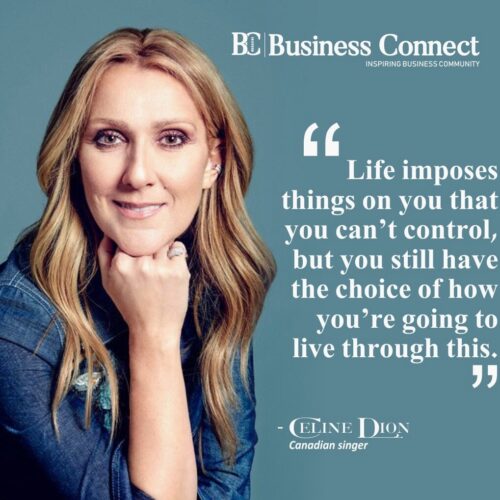
《自律養生實踐家之旅410》 淺談席琳狄翁的病症

當我試圖理解席琳狄翁真正的發病背景時,內心對造物主所設下的遊戲規則生出更深的敬畏。

當一種難以理解的病症出現,幾乎所有人第一時間都會尋求醫療解答;而當醫療無法給出清楚說明,它便被歸類為「症候群」,因為無從解釋。

若你願意承認身體內建的自然法則,也願意用「身體的視角」來解讀疾病,並重新回溯席琳狄翁在全球爆紅後的生命路徑,你會發現:這是一個再典型不過的違逆法則案例。

在說明她的發病軌跡之前,先回顧一條常見卻被忽視的路徑:甲狀腺失衡。那往往不是單一器官的問題,而是一種「不會管理時間」的後遺症,也可以說,是長期匆忙所累積的結果。每天持續燃燒的腎上腺素,最終逼迫身體犧牲甲狀腺,以償還內分泌系統的巨大失衡。

三到五年的高壓生活,就足以讓多數人的身體開始承受不住,而對一位在五年內完成 717 場演出的超級藝人而言,那早已是超出人體極限的負荷。

As I tried to understand the deeper background of Céline Dion’s illness, I found myself filled with greater reverence for the rules of the game set by the Creator.

When an illness defies easy understanding, most people instinctively turn to medical explanations. And when medicine cannot provide a clear answer, the condition is labeled a “syndrome”—a name that acknowledges our inability to explain it.

If one is willing to accept the natural laws built into the body, and to interpret illness from a body-centered perspective, then retracing Céline Dion’s life path after her global rise reveals something unmistakable: this is a classic case of living in defiance of natural law.

Before tracing the course of her illness, it is worth revisiting a common yet often ignored pattern—thyroid imbalance. This is rarely the problem of a single organ. Rather, it is the aftermath of an inability to manage time, the cumulative result of prolonged urgency and haste. When adrenaline burns continuously day after day, the body is eventually forced to sacrifice the thyroid in order to compensate for profound endocrine imbalance.

Three to five years of high-pressure living is enough to overwhelm most bodies. For a superstar who completed 717 performances within five years, this burden far exceeded the limits of human physiology.

Read More

《自律養生實踐家之旅409》 新時代警悟

既然我們都在乎健康,也關心生命品質,那些習以為常的「不知道」與「不確定」就必須被校正。生病了,要知道原因;失敗了,要釐清因果。

做任何事情之前,都應該清楚「為什麼要做」。我們不會輕易坐上酒駕者的車,也不會執意前往戰亂中的國家旅行;然而,不知道病因就接受治療,卻被視為理所當然。

不知道你為何生病的人在為你治療,這是多麼可怕的事。就像兩個各懷目的的人結為夫妻,彼此並不相愛,結局注定難以圓滿。

時代持續翻新,當你的工作被取代的風險愈來愈高,真正該思考的,不再是迎合他人的需求,而是建立屬於自己的價值。

我們每個人,都擁有一具完全自主的身體。要認識身體,就必須理解它的原始設定,那是依據晝夜節律與自然法則而存在的生命設計。

當我們真正理解這些設定,便會自然生出向身體學習的意願。我們可以向身體學會自主與承擔,進一步領悟敬畏與包容。

Since we all care about health and the quality of life, those habitual states of “not knowing” and “uncertainty” must be corrected. When illness arises, we must understand its cause; when failure occurs, we must clarify its chain of causation.
Before doing anything, one should be clear about why it is being done. We would not casually ride in a car driven by someone intoxicated, nor insist on traveling to a war-torn country. Yet accepting treatment without knowing the cause of illness is widely regarded as perfectly normal.

To be treated by someone who does not know why you are ill—this is a terrifying thought. It is like two people with different intentions entering marriage without love; the outcome is destined to be incomplete.
As times continue to change and the risk of one’s work being replaced grows ever higher, what truly deserves reflection is no longer how to meet others’ demands, but how to build one’s own value.

Each of us possesses a body that is fully autonomous. To know the body, we must understand its original design—a living system structured around circadian rhythms and the laws of nature.
When we truly comprehend these settings, the desire to learn from the body naturally arises. From the body, we can learn autonomy and responsibility, and further come to understand reverence and compassion.

Read More

《自律養生實踐家之旅408》 造物主的命題

一切,都可以從一個問題開始:「如果你連續四十八小時沒睡,你還是你嗎?」有經驗的人,很快就能回答這個問題。於是我繼續追問:「那如果是六十小時呢?」

「沒問題,我可以。」這樣的豪語並不陌生。然而,在自然法則的監控之下,最愛逞強的人,最終都會被迫臣服。

過勞的真正背景,從來不是勞動本身,也不是多值了一班,而是沒睡覺。

說到這裡,我們必須理解身體如何被設定來驅動睡眠。白天的過程中,一種名為「腺苷」的化學物質不斷在大腦細胞表面累積;當腺苷接近飽和,身體便會發出「電量耗盡」的訊號。

當學者將晝夜節律曲線與腺苷堆積曲線對照,我們得以看見那背後近乎完美的設計:自然法則與晝夜節律,共同書寫了我們身上的生物設定,而其源頭,仍然來自造物主的命題。

Everything can begin with a single question:

“If you go forty-eight hours without sleep, are you still yourself?”

Those with experience can answer quickly.
So I continue, “What about sixty hours?”

“No problem. I can handle it.”
Such bravado is familiar.

Yet under the surveillance of natural law, those who push themselves the hardest are ultimately the first to be forced into surrender.

The true background of overwork has never been labor itself, nor an extra shift—it is the absence of sleep.

At this point, we must understand how the body is designed to drive sleep. During waking hours, a chemical called adenosine gradually accumulates on the surface of brain cells. As adenosine approaches saturation, the body issues a signal equivalent to battery depletion.

When researchers overlay the circadian rhythm curve with the adenosine accumulation curve, a nearly perfect design emerges. Natural law and circadian rhythm jointly write our biological programming—and its origin remains the Creator’s proposition.

Read More

《自律養生實踐家之旅407》 品格決定健康

養生不是把自己的身體養好而已,養生是身教,是一種兼善天下的行動。

平和、慈愛、謙遜、慷慨、誠實,這些是善狼的特質。你具備多少?還是你同時也迎合憤怒、貪婪、嫉妒、傲慢與怯懦?

養生涵蓋身與心,而所謂「養心」,不是只照顧情緒,而是培養心境。在這個心境裡,我看見「慷慨」與「大方」作為一種修養的高度。

敬畏與傲慢不會同時存在,慷慨與對價不能同時成立,就像真正的健康與走向病痛的道路永遠不會重疊。

Wellness is not merely about maintaining one’s physical condition; wellness is lived teaching—it is an act that benefits the world.

Peace, compassion, humility, generosity, honesty—these are the traits of the good wolf.
How many of them do you embody?
Or do you also find yourself engaging with anger, greed, jealousy, arrogance, or cowardice?

Wellness encompasses both body and heart. And the so-called “nourishing of the heart” is not merely tending to emotions, but cultivating a state of mind.
Within that state, I see generosity and largeness of spirit as expressions of true refinement.
Reverence and arrogance cannot coexist. Generosity and transaction cannot coexist.
Just as genuine health can never overlap with the path that leads toward illness.

Read More

《自律養生實踐家之旅406》 含糊,不是目標

癌細胞的形成,身體始終知悉;如何清除它,身體也自有方式。我們該做的,是提供身體所需的環境。

從免疫系統的角度,它需要無牽掛的執行「清除障礙」的任務;我們的責任是:讓身體能夠順利做它該做的事。

「健康是自己的事」的意思是:盡其所能營造出一個讓身體能全力工作、全力療癒的內在環境。

無論是否罹癌,該做的事從來沒有不同。

該做的事做到,疾病自然不會靠近;該做的事做好,疾病自然會離開。

The body has always known how cancer cells form; it also knows how to remove them. Our task is simply to provide the conditions it requires.

From the standpoint of the immune system, it needs the freedom to carry out one mission: clearing obstacles. Our responsibility is to avoid obstructing this mission and to create an environment where the body can do its work.

“Health is your own responsibility” means crafting an internal environment where the body can work and heal with full capacity.

Whether you have cancer or not, the things you must do are never different.
When you do what must be done, illness will not approach.
When you do it well, illness will naturally leave.

Read More

《自律養生實踐家之旅405》 確診罹癌,怎麼辦?

癌來自情緒,情緒來自人,哪些情緒被壓抑?哪些情緒變成毒?哪些情緒在日常生活中層層堆疊?

癌症的學分,最核心的兩科是:委屈和憤怒。

在成功的案例中,我們總能找到一個「願意傾聽自己」的人,而癌症的康復,幾乎都發生在最放鬆的狀態中,那是免疫力最強的時刻。

在末日消息尚未侵襲之前,請問自己:哪些事要趕快做?哪些人要趕快遠離?

你必須非常誠實對自己說:「我知道該做什麼,而且我已經做了。」

Cancer arises from emotion, and emotion arises from human experience.
Which emotions have you suppressed?
Which emotions have turned into toxicity?
Which emotions have accumulated layer by layer in your everyday life?

The two core “credits” of cancer are:

resentment
and
anger.

In every successful recovery case, we always find someone who is willing to listen deeply to themselves—and nearly all recoveries happen in the most relaxed state.
That is when the immune system is strongest.

Before the final message of life arrives, ask yourself:

What must I do immediately?
Whom must I distance myself from at once?

And be deeply honest with yourself:

“I know what I need to do—and I have already begun doing it.”

Read More

《自律養生實踐家之旅404》 不是老了,是堆積沉重了

老,是年紀;老,也是人間時間的記錄。但我們執著的「老態」,其實都是身體堆積的結果。只要身體不堆積,人就不會顯得老。

當你對身體出清有信心,當你看到身體逐漸回春,你會發現:年紀在增加,身體卻在逆向發展。

老,是堆積;年輕,是出清。

面對「人人喊老」的同儕,我忽然升起一個強烈的念頭:我想告訴每一位說自己「老了」的人:你不老,你只是堆積太沉重。

真正老化的,是頑固的大腦、僵硬的主觀、不肯改變的陋習,是那份「我已經老了」的執念。

走進斷食的大門,你將重新遇見那個年輕的自己。有一天,你會不認識鏡子裡那位「很難老的老人」。

Aging is age; aging is a record of time lived.
But the “old look” we obsess over is simply the result of accumulation.
As long as the body does not accumulate waste, it does not appear old.

When you trust the process of clearing out the body, when you witness your body returning to youth, you will discover:
your age moves forward, but your body moves backward.

Aging is accumulation; youthfulness is release.

Faced with peers who constantly proclaim “I’m getting old,” a strong impulse arose within me:
I want to tell every person who says they are old—

You are not old. You are simply carrying too much.

What truly ages is a stubborn mind, a rigid worldview, an unwillingness to change habitual patterns, and the firm belief that “I am already old.”

Walk through the doorway of fasting and you will meet the younger version of yourself again.
One day, you will not recognize the “elderly person” in the mirror—because that person refuses to age.

Read More

《自律養生實踐家之旅403》 擁有,是人生最大的失策

斷食能連結健康,因為它觸發了身體最清晰的指令:先出去,才能進來;先移除囤積,才能順暢流動。

這是身體的智慧,也是自然法則的提醒。

我們是否佔有了太多不該屬於自己的東西?身體之所以囤積,是不是因為我們塞進了太多不該存在於身體的物質?

我們都有共同的經驗:明知道不能再吃,卻仍抵擋不了慾望。吃的背後是一種佔有慾,是物慾,也是貪婪。

身體內建自然法則,我們和身體早就建立了「遠離越多越好」的共識,或許我們都體會過:生病往往源自違背「越多越好」的事實。

自然法則中是否真的存在「越多越好」?看看生命走到盡頭、健康被徹底奪走的人,那些能坦然說出「什麼都不要了」的人,最能理解「越多越好」是多麼荒謬。

Fasting brings us back to health because it activates the body’s clearest command:
first release, then receive; first remove what is stagnant, then restore flow.

This is the body’s wisdom—and nature’s reminder.

Have we accumulated too much that should never have been ours?
Is the body’s “storage” merely the result of us forcing into it what never belonged there?

We all share a similar experience:
knowing we should not eat more, yet unable to resist the desire.
Behind eating lies the impulse to possess—material desire, or simply greed.

If the body is designed according to natural law, then we already share with it a silent understanding:
“more” is not always better.
Perhaps we have all learned the hard way that illness stems from violating this truth.

Does “the more, the better” truly exist in nature?
Look at those approaching the end of life, whose health has been entirely stripped away—
the ones who can calmly say, “I don’t need anything anymore.”
They understand better than anyone how absurd the idea of “more” truly is.

Read More

《自律養生實踐家之旅402》 自律養生是非典型產業

談市場就會談到人脈,在底層邏輯漸漸成為一種思考模式的今天,人脈也必須重新定義。

你認識的人,多半對斷食不感興趣。因此我們重新定義:人脈,是你能幫助的人。

人脈,是那些真正相信你、願意支持你的人。

在職場上,人脈常被理解為「我認識某某人」。但在人生格局與典範的層次,「人脈」真正的含義其實是:有多少人認識你,有多少人願意幫助你。

自律養生要做的,是務實的幫助那些願意與身體和解的人;而他們回饋的能量,將支持自律養生繼續往前走。

When we talk about the market, we inevitably talk about networks. In an era where first-principles thinking has become a common mode of thought, “network” too must be redefined.

Most of the people you know have little interest in fasting.
So we redefine “network”:
A network is the group of people you are able to help.
A network is the group of people who truly believe in you and genuinely support you.

In the workplace, “network” is often understood as “I know so-and-so.” But in the dimension of life worldview and paradigm, its true meaning is:
How many people know you? How many people are willing to help you?

What Selfasteam must do is help—practically and sincerely—those who are willing to reconcile with their own bodies. And the energy they return will carry Selfasteam forward.

Read More

《自律養生實踐家之旅401》 醫療風險再評估

在阿提亞的演講裡,我聽見他對自己傲慢的懺悔;但更想問的是:你身邊所熟悉的醫師:他們對病人的態度謙卑嗎?他們對藥物治療的風險,有給予真正的同理與說明嗎?

如果你的部屬「成事不足、敗事有餘」,你會放心把任務交給他嗎?這不就是我們日常生活中最基本的風險評估?

成功率多少?失敗率多少?代價是什麼?

阿提亞在書中談「快速死亡」與「慢速死亡」:醫療對前者很有效率,卻在後者徹底失能。

我能說的只有一句:施力點錯了。因為醫病雙方的動機,從來都不是解決問題,而是滿足慾望。

醫師的慾望、病人的慾望,交織成一段共同的風險故事。

In Attia’s talk, I heard his remorse for past arrogance.
But what I want to ask is this:

What about the physicians you personally know?
Are they humble toward their patients?
Do they truly explain the risks of medications with empathy and honesty?

If your subordinate is “more likely to spoil things than complete them,” would you entrust them with important tasks?
Isn’t this the most basic form of risk assessment in daily life?

What is the success rate?
What is the failure rate?
And what will it cost?

In Outlive, Attia speaks of “fast death” versus “slow death”: medicine is efficient with the former, and utterly powerless with the latter.

All I can say is this:
The point of force is misplaced.
Because neither the physician nor the patient is driven by the desire to solve problems—they are driven by desire itself.

The desires of the physician and the desires of the patient intertwine to form a single, shared story of risk.

Read More

《自律養生實踐家之旅400》 兩匹狼

哲學家彼得・辛格(Peter Singer)提出「有效的利他主義」,他曾問過:「當你有能力幫助一個人而你卻不做,這算不算一種錯誤?」

當你一次次在生活中看到有人「明明舉手之勞卻選擇拒絕」,你真的會懷疑:人性本善,是不是一場誤會?你甚至會嘗試解釋為「被害恐懼症候群」,一種來自反覆受傷後的自我保護。

這是一種環境效應、也是人群效應。當你身邊充斥著勢利與自利,你也會逐漸忘記如何關注他人,甚至不再習慣主動給予。

《人慈(Humankind)》一書中有一段引文:「這種想法被演化所證實,被日常生活所確認,以至於根深蒂固到我們不再察覺。」作者布雷格曼(Rutger Bregman)想說的是:大部分的人,內心深處其實是善良的。

而我想補充的是:許多讓人反感的行為,並非來自本質的「壞」,而是環境長期強化了他們的自我保護。他們不是喜歡刁難,而是活在「必須先保護自己」的恐懼裡。

Philosopher Peter Singer once posed a question through his idea of “effective altruism”: When you have the ability to help someone but choose not to, is that not a kind of wrongdoing?

When you witness, again and again, someone refusing to help even when it costs almost nothing, you start to question whether “human nature is good” might be a misunderstanding. Sometimes you may even try to explain it as a kind of “victim’s phobia”—a self-protective response born from repeated hurt.

This is an environmental effect, a social effect. When you are surrounded by self-interest and opportunism long enough, you gradually forget how to care for others—and eventually lose the habit of giving.

In Humankind, there is a line that reads: “This idea has been confirmed by evolution and reinforced by daily life, until it becomes so deeply rooted that we no longer notice it.”
Rutger Bregman’s point is that deep down, most people are inherently good.

What I want to add is this: many off-putting behaviors do not come from some “innate badness,” but from environments that have long strengthened people’s instinct to protect themselves. They do not enjoy being difficult; they simply live in the fear of “having to defend themselves first.”

Read More

《自律養生實踐家之旅399》 你是你自己的時候

我寫書,我講授斷食養生,我引導聽得懂的人繼續前行,陪伴願意改變自己的人持續努力。

我不斷問自己為何做這件事,也不斷提醒自己它的意義。

眼前能改變多少人,或許不是我能關注;真正值得放在心上的,是未來能影響多少人,那是這份工作的方向與使命。

我深信:能夠輕鬆自在的做自己,是每個靈魂最深的渴望。我雖然常公開承認自己反骨,但其實我有一種「迎合靈性意願」的慣性,只是早期還不懂行為與內在動機的關係。

環境很殘酷,現實也常讓人挫折。讓我堅持近二十年的動力,從來都不是那些轉身離開的人,而是那些被觸動的眼神。

到底是什麼力量讓我堅定了二十年?或許我也曾找不到答案,而真正的答案是:

這是一份「我與我自己」合而為一的工作。

I write books, I teach fasting and health, I guide those who can truly hear, and I walk with people willing to change themselves.
I constantly ask myself why I do what I do, and I constantly remind myself of its meaning.

How many people I can change right now is not what I focus on.
What matters is how many people I may influence in the future. That is the direction and mission of this work.

I deeply believe: being able to simply and freely be oneself is the deepest longing of every soul.
Although I openly admit I have a rebellious streak, the truth is that I’ve always had a natural tendency to follow the desires of my inner spirit—something I only learned to understand much later.

The world can be harsh, and reality often brings discouragement.

Yet what has sustained me for nearly twenty years has never been those who turned away—it has always been the eyes of those who were moved.

What gave me the strength to persist for two decades?
Perhaps I once struggled to find the answer. But the real answer is:

This is work in which I am wholly united with myself.

Read More

《自律養生實踐家之旅398》 自救,是現在而且急迫的事

在我看來,這是一段被人性攪亂的科學史。不用換窗,就永遠不會懂這個世界的反常;缺乏勇氣,就永遠看不穿這門自以為睥睨一切,實則早已沉醉的科學。

而真正讓我站穩身體立場的,是一位又一位出現在我面前的迷路者。他們的困惑,反而讓我看得更清楚:原來大家都在等,等發病,等身體用最劇烈的方式控訴。

但我們真的願意在危急時刻才觸碰那個臨界點嗎?多少經歷過瀕死的人記錄過那一刻的恐懼、不甘與不捨,不捨自己在毫無準備下,結束一生。

不捨的是生命,而不解的是:為何從未準備?為何不肯停下來觀察身體?為何不肯給自己一個學會照顧身體的機會?

To me, this is a scientific history distorted by human impulses.
Without changing the window through which we observe, we will never understand the absurdity of this world;
without courage, we will never see through this science that believes itself omnipotent, yet is long intoxicated by its own illusion.

What steadied my footing on the side of the body were the many lost individuals who sat before me.
Their confusion helped me see the truth more clearly:
everyone is waiting—waiting to get sick, waiting for the body to issue its harshest protest.
But do we really want to touch that threshold only when crisis strikes?
Countless people who have had near-death experiences describe that moment as terror, regret, and deep sorrow—sorrow that they ended their life without preparation.
What we mourn is life.
What we don’t understand is this:
Why were we never prepared?
Why do we refuse to pause and observe the body?
Why do we deny ourselves the chance to learn how to care for it?

Read More

《自律養生實踐家之旅397》 這一刻就遠離病痛

最初,我因為看見「沒有病痛」的終點而投入斷食教育。之後,又因看見醫療的盲點,而誕生出第二個目標:

第一個目標:遠離病痛,第二個目標:遠離醫療。

這兩個目標,如今都不是目標,而是我眼前的日常。如果它們也在你眼前,你會怎麼做?你應該要做什麼?

我誠心提醒:千萬不要只想當買產品的消費者,請把自己放在「學習者」的位置,進一步成為精通「身體之道」的典範。

At first, I entered fasting education because I caught a glimpse of the destination called “life without illness.”
Later, after seeing the blind spots of medicine, a second goal arose:

1. To live free from illness
2. To live free from medical dependency

Today, these are no longer goals; they are simply part of my everyday reality.

If both end points appeared before your eyes, what would you choose?
What should you do?

My sincere advice is this:
Do not aim to be merely a consumer buying products.
Place yourself in the position of a learner, and gradually become a model—a practitioner who truly understands The Way of the Body.

Read More

《自律養生實踐家之旅396》 遇見法則

當你說出真話,有人會不高興;更嚴重時,有人會憤怒。於是,人類世界就在怨怨相報之中,製造出越來越多的疾病與痛苦。

這也是內建於我們體內的另一條關於情緒的法則,你或許見過那些經常動怒、長期憂鬱的人,最終,他們的身體多半不堪負荷。然而,醫療卻極少探討他們真正的病因。

情緒的面向繁多,不生氣是一種修行,不匆忙也是。若詢問法則,它會回答:學習「定靜」與「穩重」。

我從身體的回應中,一次次收到誠懇的告示,一段時間暫離熟食,便是開始傾聽身體語言的方式。

上蒼將自然法則託付給人類維護,而我們若忽略它,就會在疾病中體驗懲罰。「遇見法則」是人生最重要的際遇,也是覺醒的起點。

When you speak the truth, some will be displeased; some will even be enraged.
Thus, the human world, trapped in cycles of retaliation and resentment, continues to create more illness and suffering.

This, too, is a law built into us—the law of emotion.
You may have met those who are easily angered or who live in prolonged sorrow; in time, their bodies tend to fail.
Yet medicine seldom explores the true causes behind their illness.

Emotions have many dimensions.
Not being angry is a form of cultivation; not being hurried is another.
If you were to ask the Law, it would reply: learn stillness and steadiness.

From the body’s silent responses, I have repeatedly received its sincere messages.
Abstaining from cooked food for a time is not deprivation—it is the beginning of truly listening to the body’s language.

Heaven entrusted us with the task of preserving the natural Law.
If we neglect it, we will learn its consequences through illness.
To encounter the Law is one of life’s greatest fortunes—and the true beginning of awakening.

Read More

《自律養生實踐家之旅395》 一生做好一件事

分享《少,但是更好》這本書的核心觀點,作者提到三個關鍵字:「精、簡、準」。

所謂「精」,是聚焦在真正重要的事;「簡」,是簡化必須處理的事;「準」,是準確執行正在做的事。

吸引我的是原文書名《Essentialism》,它比中文譯名更貼近本質,那正是「斷、捨、離」的精髓。

我想表達的是:把推廣斷食教育當作一生的使命,並非偶然的選擇。這是一項工程級的任務,我無法也不願分心去做其他事。

能學習斷食的人會越來越多,能在生活中實踐斷食的人也將不斷增加。

我必須承認,專注於這件事已占據我大半的時間;但幸運的是,這份工作讓我快樂,也讓我深感成就。換句話說,它在成就我的同時,也滋養了我的健康。

Let me share the essence of Essentialism—a book translated as Less, but Better. The author highlights three guiding words: focus, simplicity, and precision.

To focus is to identify what truly matters;
to simplify is to remove the unnecessary;
to act precisely is to execute with clarity and intent.

What captivated me most was the original English title—Essentialism. It captures the spirit of cutting away, letting go, and refining what remains.

For me, making fasting education my life’s mission was never accidental. It is an undertaking of architectural scale—one that demands my full devotion.

Those who come to learn fasting will continue to grow in number—and those who live it, even more so.

I must admit, focusing on this one thing occupies most of my time. Yet, it brings me joy and fulfillment. In truth, while I have nurtured it, it has also healed and nourished me.

Read More

《自律養生實踐家之旅394》 求生意志

每天吃三餐的人,很少去想「有一天會因此吃不下」的結果;每天吃藥的人,也不願面對「副作用可能突發危機」的現實。

當你對那個願意為你犧牲一切的人大吼大叫時,你沒意識到,你的態度可能是一把無形的刀。

當你腦中滿是自己的利益時,你也難以察覺,自己早已干擾他人的生命品質,因為每一句話都有隱藏的意圖,每一個行為都夾帶自私的細節。

我們都擁有強大的求生意志,但有沒有關心過旁人的「生命品質」?更該問的是「你有在乎自己的生命品質嗎?」

別人的一句話,就能瞬間左右你的情緒;明明有自己的主見,卻輕易動搖;明明擁有自己的生命,卻總讓別人來替你做決定。

我們都說「想為自己而活」,但事實上,我們多半是為錢而活,為他人的價值觀而活,甚至為那始終模糊的醫療信仰而活,一點一滴,把生命交出去。

Those who eat three meals a day seldom imagine the day they might no longer be able to eat. Those who take pills daily refuse to face the reality that side effects can become sudden crises.

When you shout at the person willing to sacrifice everything for you, you may not realize your tone is like an invisible knife. When your mind is filled only with your own interests, you fail to see how your behavior diminishes the quality of others’ lives—because every word carries hidden intention, and every action conceals traces of selfishness.

We all possess a powerful will to survive—but do we care about the quality of others’ lives? More importantly, do you care about the quality of your own life?

A single remark from someone else can instantly control your mood. You have opinions of your own, yet you waver so easily. You possess your own life, yet you let others make decisions for you.

We all say we want to “live for ourselves,” but in truth, most of us live for money, for the values of others, or for that ever-vague faith in medicine—gradually handing our lives away, bit by bit.

Read More

《自律養生實踐家之旅393》 因為斷食,我重新定義年輕

無知,不只是「不知道」,更是缺乏學習與改變的意願。我們身邊充斥著多管閒事的人,也有太多不認識路的嚮導。

看到男人的啤酒肚,我很有感觸,想衝動提醒「減餐」,但心中立刻有另一個聲音告訴我「別多管閒事」。

看到成年人臉上的斑點,我也想說提醒「那是熟食的印記」,卻又聽見另一個聲音提醒:「別給自己找麻煩」。

我也吃熟食,但我的臉上為何沒有那些痕跡?因為斷食淨化是我的日常,清理身體的垃圾是我生活的一部分。

年紀不小了,但我真切覺得自己還不到半百。身體乾淨,是一項了不起的成就;心靈年輕,更是我持續再生的祕密。

Ignorance is not merely not knowing;
it is the lack of willingness to learn and to change.
We are surrounded by people who meddle,
and guided by too many who have lost their way.

When I see a man with a beer belly,
I instinctively want to say, “Eat less.”
But another voice quickly reminds me, “Mind your own business.”
When I see dark spots on someone’s face,
I want to tell them, “That’s the mark of cooked food.”
Yet again, another voice whispers, “Don’t invite trouble.”

I eat cooked food too —
so why doesn’t my face carry those marks?
Because fasting and detoxification have become my daily rhythm.
Cleansing the body has become part of my way of living.

I may not be young in age,
but I truly feel as if I am not yet fifty.
A clean body is an extraordinary achievement;
a young mind — that is the secret to my continual rebirth.

Read More

《自律養生實踐家之旅392》 找到能讓你暢所欲言的人

近年與纖維肌痛症(Fibromyalgia)患者的接觸,讓我深深理解:有些疼痛是無處可說的記憶。

這些人往往在童年遭遇過霸凌、暴力、羞辱、或恐嚇。西醫稱之「原因不明」,但身體知道、身體記得。

它用疼痛提醒:那些不能說、不敢說的傷還在。身體不想背負一生,它渴望把痛丟掉,而「說出來」是一條真正能讓身體鬆開的路。

談到這裡,我想起自己的童年。沒有陰影,也沒有壓抑,我是那種有話直說的人。

更重要的是,我一生都不缺真正的朋友。我能把委屈、痛苦、不快樂,都說出去,說完,就丟掉了。

Through years of working with patients suffering from fibromyalgia, I’ve come to understand something profound:
some pain is nothing more than unspoken memory.

Many of these individuals endured bullying, violence, humiliation, or fear in childhood.
Western medicine calls their pain “of unknown origin.” But the body knows. The body remembers.

Pain is its way of saying: “The wounds you couldn’t speak of are still here.”
The body doesn’t want to carry them forever—it longs to let go.
And speaking out is the only way it can finally exhale.

Thinking back to my own childhood, I had no shadows, no repression.
I’ve always been someone who speaks my mind.
More importantly, I’ve never lacked true friends—those to whom I can pour out grievances, sorrow, and unhappiness.
Once spoken, those memories lose their weight.

Read More

《自律養生實踐家之旅391》 中風的風險

很多人一聽到斷食就抗拒,我提醒他們:斷食不是養生法,是身體的需要。真正同理身體的人,自然會把它變成習慣。

痛風與中風同源:不是胖瘦,而是「惰性的累積」。

現代人的最大風險是:一年 365 天不停讓身體處理食物。連一天都不讓它休息,好處理廢物。

因為知識蒙蔽了常識,很多人以為懂醫療就懂健康,但我在書中說過:治療與健康是兩條不相交的路。治療是迷路後的求助,健康是自己走對方向。

當你一輩子不讓身體停損飲食,不理解垃圾如何堆積,那,就是中風最真實的風險因子。

Many people instinctively reject fasting.
I remind them: Fasting is not a wellness method. It is a biological necessity.
Those who truly empathize with their bodies will naturally develop it as a habit.

Gout and stroke come from the same root—
not weight, but accumulated inertia.

The greatest risk for modern people?
Eating 365 days a year, giving the body no time to process waste.
Never a pause, never a clearing—only storage upon storage.

Knowledge has clouded basic wisdom.
Many believe medical knowledge equals understanding health.
Yet I once wrote a chapter titled “Do Doctors Understand Health?”
Treatment and health walk separate roads.
Treatment is asking for directions after getting lost;
health is walking the right path from the beginning.

If you never allow the body to stop absorbing,
if you never understand how waste accumulates,
then stroke is not a mystery—it is inevitable.

Read More

《自律養生實踐家之旅390》 媳婦的乳癌

許多癌症患者,即便經歷了漫長而痛苦的治療,也依然不明白:疾病可能來自那個讓她每天窒息的人。

每天都要面對、每天都不快樂、每天都有苦難言,那個人不是在她家裡,就是在她生活與工作的核心位置。

然而,所有醫療處置都與那個來源無關。假如治療期間仍在累積負面情緒,治療究竟在治什麼?

最有效的療癒,有時不是化療、不是放療,而是:搬家,或離職。

如果把家庭比作職場,最有用的解決方案,是辭職,或把那個「上司」「開除」。

Many cancer patients, even after long and painful treatments, still don’t understand:
The source of their illness may very well be the person who suffocates them every single day.

Someone you face daily, who brings you no joy, whose presence weighs on you —
that person is either inside your home, or deeply embedded in your life and work.

Yet medical treatments never address that source.
If negative emotions continue to accumulate during treatment — what exactly are we healing?

Sometimes the most effective therapy isn’t chemotherapy or radiation —
it is moving out, or quitting the job.
If we viewed family as a workplace, the best solution might be to resign —
or fire the “boss.”

Read More

《自律養生實踐家之旅389》 飢餓是一種動力

因為斷食,我看到兩個世界:不只是健康與生病,而是真實的飢餓與虛幻的飢餓。

吃藥的人,往往需要更多藥來解決副作用;吃三餐的人,常需要更多食物修補過度飲食所製造的失衡。

因此,飢餓有狹義與廣義之分。正面解讀飢餓,才能觸及生命真正的意義。

身體對食物飢餓而不躁動;人生對使命飢餓而不慌亂;靈性對回家飢餓而日夜等待。

真正的飢餓,是動力,是秩序,是清醒的渴望。

Through fasting, I saw two worlds — not merely health vs illness, but true hunger vs illusory hunger.

People who rely on medicine often need more medicine to fight side effects;
people who insist on three meals often need more food to repair the imbalance caused by overeating.

So hunger has a narrow and broad meaning. Only by interpreting hunger positively can we touch the true meaning of life.

A body hungry for food yet tranquil;
a life hungry for purpose yet unhurried;
a spirit hungry to return home yet patiently waiting.

True hunger is power.
It is order.
It is the sober yearning that carries us forward.

Read More

《自律養生實踐家之旅388》 主動做的事

什麼叫「被動的養生」?你以為不舒服時看醫生是主動?那其實是社會灌輸的反射,是一種訓練後的被動。

真正的養生不是生病後的緊急處理,而是生病前就已經開始主動照顧自己。

同樣的,為考試而讀書、為證照而努力、為被認可而活。那不是主動,那是被制度與眼光驅動的行為。

真正的主動,是願意承擔,是願意選擇與自己站在一起。

當我與人溝通時,常見相同問題反覆出現。為什麼?因為許多人大腦不是自己的,思想不是自己的,所有答案來自他人、社會、習慣、權威。

我們習慣熟悉的路,也習慣把責任交給別人。那就是為什麼「做自己」聽起來抽象、遙遠,因為很少人真的活過自己的人生。

What is “passive wellness”?
You believe going to the doctor when uncomfortable is proactive.
In truth, it is a social reflex, a conditioned form of passivity.

True wellness does not begin after illness appears.
It begins long before, with proactive self-care.

Studying for exams, pursuing certifications, working for approval—
these are not chosen actions;
they are responses to systems and spectators.

True agency is the willingness to take responsibility—
and to stand on your own side.

When I speak with people, I see the same questions repeated. Why?
Because their minds are not their own.
Their thoughts are not their own.
Their answers come from others—from society, from habit, from authority.

We follow familiar paths,
and we delegate responsibility because it feels safe.
That is why “being yourself” feels abstract, distant—
few have ever truly lived their own life.

Read More

《自律養生實踐家之旅387》 發自內心,成就好事

目的連結著價值觀,而價值觀與對錯無關,那是一種選擇,一種思考模式,它深深扣住一個人的存在。

我熟悉那種被目的操控的生活:不是為了錢,就是為了情。在物質主義的世界裡,這幾乎成了生活的中心。

許多疾病的根源,也正是被這些對價關係緊緊束縛。

我開始厭倦那種強烈目的性的思維模式,意識到若不脫離它,我的人生將會在原地打轉,直到終老。

誠然,我們很難完全不為情做事。我願為我所愛的人付出,也願為妻兒奉獻生命。但我逐漸明白:為愛做事,與為人做事,截然不同。

為愛做事,是不求回報的付出;是出於心底的真誠,而非外在的計算。那一刻,我明白了生命的道理:我不想為錢工作,不想成為金錢的奴隸,更不想被物慾驅使。

Purpose is bound to values, and values have nothing to do with right or wrong. They are a matter of choice, a way of thinking that defines one’s very existence.

I know well what it’s like to live a life controlled by purpose—driven by money, or driven by emotion. In a materialistic world, these have become the center of life.

Many illnesses also root themselves in such transactional relationships, in these constant exchanges of value and worth.

I grew tired of that goal-oriented mindset, realizing that unless I broke free from it, my life would circle endlessly in place—until the end of my days.

It is true, we can never fully detach emotion from our actions. I am willing to give for those I love; I would even give my life for my wife and children. But I have come to understand this: acting out of love is not the same as acting for someone.

To act out of love is to give without expectation—to act sincerely, from the heart, not from calculation. In that realization, I understood life’s principle: I no longer want to work for money, to become its slave, or to be driven by material desires.

Read More

《自律養生實踐家之旅386》 這件事

「這件事這麼難,又沒什麼好處,你為什麼還要堅持?」這些年,問過我這句話的人,少說也有幾十位。最近,又多了一個版本:「市場這麼小,值得嗎?」

「市場小嗎?」我反問。若以人數論,確實不算大;但若從潛力看,我看到的是無窮的延展性。

十多年前那本《藍海策略》,曾為我指明方向。它提醒我:真正的價值,不在競爭的紅海,而在開創無人涉足的藍海。

斷食需要教育,「身體之道」需要從淺入深理解。當我與身體對話到一定深度,我確信:人人都需要斷食,即使不是人人都願意斷食。

我從小市場回望大市場,看見時間能醞釀無限的可能;也相信,耐心能培養出重拾健康信心的人。

“Why do you insist on doing something so difficult, with so little return?”
Over the years, I’ve heard this question dozens of times.
Recently, a new version appeared: “The market is so small—does it even matter?”

“Is it really small?” I asked in return.
If measured by numbers, perhaps it isn’t large. But if measured by potential, I see infinite possibilities.

More than ten years ago, the book Blue Ocean Strategy pointed me toward a direction.
It reminded me that true value is not found in the bloody competition of a red ocean, but in creating a blue ocean where no one else has ventured.

Fasting requires education. The “Way of the Body” requires layered understanding.
When I learned to converse deeply with my body, I realized—everyone needs fasting, even if not everyone is ready for it.

From a small market, I saw the vastness of a greater one.
Time can ferment unlimited potential; patience can nurture those who regain faith in their health.

Read More

《自律養生實踐家之旅385》 醫療的不能,身體知道

若醫療方能保持客觀,若願意敬畏大自然的法則,那麼他們面對我所述的一切,也就不會產生對立。

只要暫時放下職業的角色與立場,我們都能明白:無論你是誰,終究都要回到自己的身體。

我所謂「與身體站在一起」,不是只為自己說話,而是為所有人的身體,包括我的,也包括每一位醫療人員的身體。

現實與事實的矛盾不在於真相,而在人心的立場。

自然法則從未改變:人體早已進化到幾乎無所不能;身體有能力修復、調整、再生,這是事實;而醫藥的介入邏輯,卻逆向於這些法則,這也是事實。

所以,對立並非源自真相的衝突,而是人為的角力。當我們換個角度、放下立場,眼前的世界會完全不同。

If medicine could remain objective—if it could revere the laws of nature—then there would be no conflict with what I say.
The moment we put down the title and the role, we all see the same truth:
whoever we are, we must eventually return to our own body.

When I say “stand with the body,” I am not speaking only for myself, but for every body—including yours, and every medical practitioner’s as well.
The contradiction between reality and truth does not lie in facts, but in human position.

The laws of nature have never changed.
The human body has evolved to be nearly limitless in its abilities—to repair, adjust, and regenerate. That is fact.
And medicine’s logic of intervention runs against those laws. That, too, is fact.

So opposition does not arise from truth, but from human conflict.
Change the angle, release the stance, and the world before you transforms completely.

Read More

《自律養生實踐家之旅384》 讓生命成為複利的奇蹟

斷食,不只是養生法,也不是排毒或減重的手段。凡是短視的操作,最欠缺的,正是「生命的置入」與「時間的複利」。

放眼人類的集體失能與失焦,我們應當重新學會敬畏,敬畏大自然給予的身體,敬畏那份蘊藏在細胞、菌群與時間之間的恩典。

這片土地早已給了我們答案:當人懂得與生命同頻,複利的奇蹟便在靜默中發生。

Fasting should not be viewed merely as a wellness method, nor as a tool for detox or weight loss.
Every short-sighted approach fails because it lacks two essential elements — the placement of life and the patience of time.

Looking at the collective disconnection and distraction of humankind today, we must relearn reverence —
reverence for the body gifted by nature,
reverence for the grace that exists between cells, microbes, and time itself.

This land has long given us the answer:
When one learns to resonate with life, the miracle of compounding quietly begins to unfold.

Read More

《自律養生實踐家之旅383》 勇敢尋找自己的人

我無法將斷食與身體感官分開看待,乾淨的身體,會回應清晰的訊息;暢通的身體,會迎來正向的思考。

腸道與大腦的連結存在神奇的提示,我們可以在英文的Gut Feeling發現直覺和勇氣的關聯,或許在人類的紛亂世界中,找到自己確實是需要勇氣的行動。

在我的工作紀錄裡,斷食與「遇見自己」幾乎總是並行的,不是前者帶來後者,就是後者喚醒前者。

能夠幫助一個人找到自己,是一件深具意義的事;能夠聚集一群與自己同頻的人,更是一件無比珍貴的事。

正念會引領我們走向自律,而自律也終將遇見正念。這,就是愛自己的基本行動。

當養生進階為養心,養心也能反過來照亮養生。

若你真心渴望找到自己,你必定會對身體的意識感到好奇,你也一定願意,誠實的與自己的身體待在一起。

尋找自己,需要勇氣。

I cannot separate fasting from bodily awareness.
A clean body transmits clear signals;
an unobstructed body invites positive thoughts.
The gut-brain connection offers mystical hints —
even the English phrase “gut feeling” reveals the link between intuition and courage.
Perhaps, in this chaotic human world,
finding oneself is indeed an act of courage.

In my work, fasting and self-discovery almost always appear together —
either one leads to the other,
or one awakens the other.
To help someone find themselves is profoundly meaningful;
to gather a group of people who are at peace with themselves is infinitely precious.

Mindfulness will eventually lead to discipline,
and discipline will one day meet mindfulness —
that, to me, is the simplest expression of self-love.
When caring for the body evolves into caring for the heart,
the heart in turn will illuminate the body.

If you truly wish to find yourself,
you will inevitably grow curious about the consciousness of your body,
and you will willingly choose to stay —
honestly, quietly — with it.

To seek oneself is to be brave.

Read More

《自律養生實踐家之旅382》 穩贏的賭注

當身體出現異樣時,就康復的機率,你賭身體,還是賭醫療?

這不是用錢在賭,是用命在賭。

嚴格說來,我所謂的「賭注」從未存在,因為那一刻,九成的人會把命交給醫療。

真正的賭注,是在身體尚未出現異樣之前的選擇。

能提早認識自己的身體,才是穩贏的賭注。

When your body shows an abnormality, what will you bet on — the body, or medicine?
This isn’t a gamble of money; it’s a gamble of life.

Strictly speaking, my so-called “bet” doesn’t even exist — because at that moment, nine out of ten people will hand their life over to medicine.

The real bet happens before the body breaks down — in the choices we make when all seems fine.
To know your body early — that is the only bet you’ll ever surely win.

Read More

《自律養生實踐家之旅381》 正念,不只是善念

我對正念的理解,奠基於深度斷食、禪定與重視睡眠的生活基礎。這些習慣讓身體的感官變得敏銳,產生奇特的覺知。

每當負面情緒升起,我總能追蹤到負面思考的源頭,同時感受到身體深層釋放的不安與疼痛。

這種覺察力,隨日子不斷增長。

這也是一種「應變」,原本就屬於身體的本能。當我們逐漸失去與身體的連結,

便失去了理解它的能力。

身體發出的每一個訊號,都是為了規避病痛而存在的警告。而在斷食的日常中,我逐漸明白:遠離病痛是一種信念,拒絕生病,是一種正念。

My understanding of mindfulness is rooted in a life built on deep fasting, meditation, and reverent sleep.
These habits have sharpened my senses, giving rise to a peculiar clarity.
Whenever negative emotions arise, I can trace them back to their mental origins while feeling the physical unease and pain being released from within.

This awareness grows stronger with each passing day.
It is a form of adaptation — a natural instinct that has always belonged to the body.
When we lose connection with the body, we lose the ability to understand it.

Every signal the body sends is a warning designed to protect us from suffering.
And through the daily rhythm of fasting, I have come to understand:
To stay free from illness is a belief.
To refuse to become ill — that is mindfulness.

Read More
0

購物車