陳立維老師部落格

《自律養生實踐家之旅332》 最高等的生物,最低等的表現

這也是人類與其他生物的最大差異:我們的飲食決策不僅來自身體,還被大腦操控。

大腦在飢餓的誘惑下,經常說謊,為了口感、情緒、記憶、習慣……,我們「吃錯」的歷史,是人類文明的寫照。

人類的墮落不僅因貪婪,更因能為貪婪辯解的聰明。

飲食業、醫療業,背後都是一套完整的商業邏輯。攤開菜單,滿滿的飯麵選項,既反映了成本結構,也餵養了大眾的食慾習慣。

營養失衡的社會現象,其實可以從「就業」與「消費」這兩大面向找到蛛絲馬跡。每一個選項背後,都藏著人的利益,而非身體的需求。

我們究竟是最高等的生物,還是最高等的說謊者?低等生物只有集體意識,沒有個人立場;而人類則生活在「個人利益至上」的叢林中。

Here lies the greatest difference between humans and other creatures: our dietary decisions are not made solely by the body—they are manipulated by the brain.
The brain, under the temptation of hunger, lies—seduced by taste, emotion, memory, habit. The history of our “wrong eating” is the history of human civilization itself.

Human decline is not only due to greed, but to the intelligence that justifies it.
Behind the food industry and the medical industry lies a complete commercial logic. Look at a menu—piled high with rice and noodle options—it reflects both cost structures and the feeding of the public’s habitual appetites.

The social phenomenon of nutritional imbalance can be traced to two dimensions: employment and consumption. Behind every choice is someone’s profit, not the body’s need.

So, are we the most advanced beings—or the most advanced liars?
Lower creatures live only by collective instinct, without personal agendas; humans live in a jungle where personal interest reigns supreme.

Read More

《自律養生實踐家之旅331》 治療是一種負面意識

治療,其實是一種心理與社會的狀態:一方求助,一方施援。當人被困在這個框架裡,便難以看清問題的本質。

就像一群人在河邊遊玩,突然遇到暴漲洪水;就像幾位登山客在颱風前深入山區,當災難降臨,我們只能先救人,再究責。

我們應該從一開始就思考:「這種意外可以避免嗎?」

我選擇從「究責」的方向看待這一切,不是為了責怪任何人,而是因為我能同理身體的立場,知道事情絕對可以不必走到這般境地。

「預防勝於治療」這句話人人耳熟能詳,卻早已流於口號。大眾聚焦於治療的效果,卻忽略了什麼叫預防,更遑論如何落實。

Treatment is not merely a biological or clinical process—it’s a psychological and social condition: one party seeks help, the other offers aid. Once trapped in this framework, it becomes almost impossible to see the root of the problem.
It’s like a group of people playing by the river when a flash flood strikes; or a group of hikers caught deep in the mountains just before a typhoon. When disaster hits, all we can do is rescue first, ask questions later.
But the question we should have asked from the beginning is: Could this have been prevented?

I choose to look at all this from a position of accountability—not to blame anyone, but because I can empathize with the body’s perspective. I know things didn’t have to get this far.
The saying “prevention is better than cure” is familiar to everyone, yet it has long since become an empty slogan. Society fixates on the effectiveness of treatments while completely neglecting what prevention actually means, let alone how to implement it.

Read More

《自律養生實踐家之旅330》 超能力

成為一位順從身體之道的特種人群,在我看來,這是一種超能力。

而這份超能力的生成,其實來自於人與人之間,在特定環境中產生的化學鍵。

環境,是一種無形的團結力。當你的家庭或職場難以建立斷食文化,你的超能力就必須與外部斷食環境緊密連結。

這個環境沒有先來後到,也不是經驗多就更強。以長期斷食為例,不論老手新手,每次都是重新歸零,團體的力量絕對勝過單打獨鬥。

o become someone who follows the body’s natural way—that, in my view, is a superpower.

And this superpower is not born in isolation; it’s formed through the chemical bonds forged between people, within specific environments.

Environment is an invisible yet powerful form of solidarity.
If your home or workplace can’t support a culture of fasting, then your superpower must stay tightly connected to external fasting communities.

There is no hierarchy in this environment—no seniority, no privilege.
In long-term fasting, whether novice or seasoned, every session begins at zero.
And the power of a group will always surpass that of a lone warrior.

Read More

《自律養生實踐家之旅329》 兩頭大象

我從小家裡就住著這兩頭大象。二樓是三代同堂共享三餐的廚房與餐廳;一樓是我父親的診間,一處供人膜拜醫療之神的大廳。

一頭以熟食緩慢的傷害身體,一頭用藥物系統性的消耗生命。這一切,過去從未有人指出它們的存在。

我很幸運,透過斷食,我開啟了身體的視窗,才看見:我們家一直住著兩頭大象。

第一頭大象為身體堆積毒素,第二頭則讓人誤以為醫療就是解方。

I grew up with both elephants living under the same roof.
Upstairs was the kitchen and dining area where three generations shared their meals.
Downstairs was my father’s clinic — a shrine to the deity of modern medicine.
One elephant slowly harmed the body through cooked meals; the other systematically consumed life through pharmaceuticals.
Yet no one ever pointed out their existence.

Read More

《自律養生實踐家之旅328》 階級意識

由於我工作的關係,我特別常思考這些問題:

是什麼讓一個人甘於淺薄?

是誰讓他充滿恐懼?

是誰讓他對生命灰心?

是什麼讓他變成社會裡的「低層人口」?

尤其當我看到那些極度依賴醫院的人,他們其實並未被醫生下蠱,卻將醫生的每一句話當作聖旨。

你說,這樣的醫病關係,真的沒有階級意識嗎?我很難相信。

ecause of the nature of my work, I often ask myself:

– What makes someone content with mediocrity?
– Who planted fear in them?
– Who made them give up on life?
– What turned them into the “lower class” of society?

Especially when I see those deeply reliant on hospitals—not because they were brainwashed by doctors, but because they treat every word a doctor says as gospel.

Tell me, is there really no class consciousness in the doctor-patient relationship? I find that hard to believe.

Read More

《自律養生實踐家之旅327》 不缺,也不擔心

人要愛自己,人要懂得養生。養生,必須尊重身體的立場與主體性,與疾病無關,與財富無關。

不論你有沒有錢,是不是病人,每個人都能學會與自己身體對話。

體會大自然的豐盛,你就知道什麼是「不缺」;感受身體的力量,你就明白何謂「不擔心」。

只說不做,是虛假;光說不練,永遠無法安心。

人生,是一條上坡路,不進則退。唯有向上,才不會隨波逐流;唯有內省,才能真正自由。

We must love ourselves.
We must learn how to live well.
And wellness must begin with honoring the perspective and sovereignty of the body.
It has nothing to do with disease.
It has nothing to do with wealth.

Whether you’re rich or poor, healthy or ill—everyone can learn to dialogue with their body.

Feel the richness of nature, and you’ll know what it means to lack nothing.
Feel the strength of your own body, and you’ll know what it means to live without fear.

To speak but not act is to pretend.
To preach but not practice is to remain forever unsettled.

Life is a path that ascends.
To stop moving is to fall.
Only by rising can we avoid drifting.
Only by turning inward can we truly be free.

Read More

《自律養生實踐家之旅326》 另一種極權

極權國家會壓制人民的言論自由,醫療體制亦然,它壓抑了「身體意見」的表達空間。

雖生活在文明社會中,人們卻在人際互動中不斷複製、傳播那些「無關身體本質」的健康觀。身體無法發聲,只能默默承擔。

醫療體系創造出一種與身體真相日漸疏離的極權世界,藥物、疫苗與非必要手術,這些對人體造成高度傷害的手段,卻成了我們習以為常、不得不依賴的求生依靠。

Just as totalitarian regimes suppress free speech, the medical system suppresses the body’s voice.
We may live in a so-called “civilized” society, but in our everyday interactions, we continuously replicate and spread health beliefs that ignore the body’s essence. The body has no voice—it simply endures in silence.

Medicine has created a totalitarian world that drifts further from the truth of the body. Drugs, vaccines, and unnecessary surgeries—despite the harm they inflict—have become normalized tools for survival.

Read More

《自律養生實踐家之旅325》 造橋

「斷食,真能成為一股力量嗎?」,如果從民間視角提出這個問題,答案是否定的,不僅不可能,而且根本毫無機會。

但事實上,那是一股源自大自然的力量,一直默默醞釀中。這股力量需要時間,也需要極大的耐心,更需要一群實踐者持續堅守他們的信念與領空。

回到根本,為什麼斷食需要成為一股力量?因為我們的下一代需要接收這份力量,它代表一種希望,一種能提升平均健康水平的希望。

若因為你的堅持,有數千人得以學會從「身體」出發的養生視角,透過社群的連結,進而有上萬人開啟健康新視野,你一定會為此目標傾盡全力。

“Can fasting really become a force?”
From a conventional perspective, the answer is a clear no—it seems impossible, with not even a sliver of a chance.
Yet in truth, fasting embodies a force rooted in nature. It has long been quietly brewing. This force requires time, immense patience, and above all, a committed group of practitioners who remain steadfast in their beliefs and domain.

Why must fasting become a force?
Because future generations need to receive this energy—a form of hope, a hope that could elevate the baseline of public health.
If your persistence enables thousands to learn a body-centered approach to health, and through community networks tens of thousands more begin to see health from a new perspective, then surely, you would give your all toward that goal.

Read More

《自律養生實踐家之旅324》 那些養生前輩的苦情,我懂

我們正在傳承一種「不實作就無法理解」的養生態度,親眼見證一位位前輩為了堅守價值倒下,唯一能做的,是提升我們面對負面情緒的覺察力。

我不看錢說話,但我看清那些無的放矢的抨擊,因為他們得保住自己的飯碗,所以只能攻擊,不需要理解,「拿錢辦事」就是這麼一回事。

名氣是把雙刃劍,有名氣才能推廣理念,但太有名,就可能惹禍上身。那種必須「有名但不能太紅」的尺度,對我而言,既是工作上的拿捏,也是一種自我保護。

我對幾位前輩的離世原因有深刻體悟,推廣非主流本就是逆風前行,壓力之大,足以摧毀一個人的身心。

We are carrying forward a kind of wellness attitude that can only be understood through practice. I’ve personally witnessed pioneers fall in their efforts to uphold their values. The only thing we can do is increase our awareness of negative emotions and remain grounded.

I don’t speak from a place of money, but I do see clearly the baseless attacks—they criticize only to protect their own livelihoods. They don’t need to understand, because their job is to attack. That’s how “getting paid to do the job” works.

Fame is a double-edged sword. One needs recognition to spread their ideas, but too much fame becomes a risk. To me, mastering the delicate balance of being “known but not too well-known” is not only a strategic decision—it’s also a form of self-protection.

I have a deep understanding of the reasons behind several pioneers’ passing. Promoting non-mainstream healing is like swimming against the current—the pressure is immense, enough to destroy both body and mind.

Read More

《自律養生實踐家之旅323》 你發生了

真正有意義的事,從來不是對自己有利的事。將利益視為目的,正是人生庸碌空轉的原因。我們唯有穿越層層磨難,才能領悟那場關於「意義」的當頭棒喝。

哲學家約翰・羅爾斯(John Rawls)說過:「凡是蒙上天眷顧之人,無論他是誰,都必須協助那些身處劣勢的人,才能真正從自己的幸運中受益。」

我對「珍惜生命」的認真思考,是從體會身體天賦開始的。「飲水思源」的自我要求,也是在確定健康方向之後,才深深紮根。

那是一種極其稀有的機會,一場極為珍貴的相遇。透過尊重身體的練習,生命最終引我進入「人身難得」的深層領悟。

即便只是肚子餓了想吃,也是一次在「必須處理」與「是否有意義」之間的選擇。經過反覆練習後,「該吃」與「其實不必這樣吃」之間的判斷,自然清晰。

What’s truly meaningful is rarely what benefits the self. Seeing personal gain as life’s purpose is the very reason we run in circles, living meaningless lives. Only by passing through hardship do we wake up to the lesson life shouts at us about meaning.

Philosopher John Rawls once said: “Those who have been favored by fortune, no matter who they are, must help those less fortunate if they are to fully benefit from their own luck.”

My deep reflection on treasuring life began with recognizing the body’s innate wisdom. The demand I placed on myself to “remember the source when drinking water” only took root after I truly understood the path to health.

It was a rare opportunity. A precious encounter. Through the practice of honoring the body, life eventually led me to a profound realization of the rarity of human birth.

Even the simple act of hunger—wanting to eat—becomes a choice between what must be done and what is meaningful. Through repeated practice, the ability to discern between “I need to eat” and “I don’t need to eat like this” becomes second nature.

Read More

《自律養生實踐家之旅322》 耐心的最佳伴侶

有一種心情,特別值得記錄:繼續前行,但不懷期待。

如果順利,那是上天的恩賜;如果不順遂,那是提醒我繼續專注分內之事。

生命旅途持續出現類似的提醒:一帆風順,人就傲慢;遭遇挫折,則容易抱怨。

這樣的情境與養生之道有極深的關聯,手指頭指著別人的承受病痛,反求諸己的可望找到那份名為「耐心」的智慧。

耐心,有一位最佳伴侶,這是我在推廣身體之道教育中最深的領悟。早期,我鼓勵學員「給時間」;近年來,我則強調「不期待」,最終的總結回到:「做該做的事。」

Yet one emotion has been especially worthy of recording:
To keep moving forward—without expectation.

If things go smoothly, it’s a blessing. If not, it’s a reminder to focus on what is mine to do.
Life constantly sends such reminders: when things go too well, we become arrogant; when met with hardship, we fall into complaint.

This directly mirrors the path of health: pointing fingers at others’ illnesses while failing to reflect inward only distances us from the quiet wisdom of patience.

Patience has a best companion—this is the deepest insight I’ve gained in my years of teaching the way of the body.
In earlier years, I encouraged students to “give it time.” In recent years, I emphasize “let go of expectations.”
And ultimately, the core message returns to this: “Do what must be done.”

Read More

《自律養生實踐家之旅321》 最佳狀態

所謂「最佳狀態」,並非來自他人認定,也不是檢查報告的數據所能證明。所有數字正常的健康報告,也不必然代表身心處於巔峰,因為心理狀態與身體能量的真實水平無法透過報表顯現。

「最佳狀態」的核心,在於生活態度:是否體恤身體的辛勞?是否落實限時飲食?是否把睡眠視為日常作息中的重中之重?

The so-called “optimal state” is not determined by others, nor can it be confirmed by medical reports. Even a health report full of normal numbers does not necessarily mean one is in peak condition. Psychological well-being and true physical vitality cannot be reflected in charts or data.

The essence of an optimal state lies in one’s attitude toward life: Do you treat your body with compassion? Do you truly implement time-restricted eating? Do you treat sleep as the most sacred part of your daily routine?

Read More

《自律養生實踐家之旅320》 退無可退,方得其路

後路」的真相,就呈現在我每天面對的每一位個案中。對大多數人而言,醫療就是最後的退路,當真走投無路時,至少還有這條。

為什麼學員不肯用心學習?因為他們心中,還有後路。為什麼人們對自己健康的照顧總是斷斷續續?因為,還有後路。

他們的眼神常常告訴我:「這條路不行,還有那條大家都走的路。」然而現實是:正是那條「大家都走的路」,阻礙了真正通往健康的路。

這就是「用心」與「用腦」的差異。如果你還保留一點「用腦」的空間,你就會替醫生的裁決保留位置。

也就是說,在努力的過程中,你其實還在偷偷允許自己「不需要太努力」。

The truth about having “no way back” reveals itself in every individual I meet. For most people, medicine is the final fallback. When all else fails, at least they can turn to that.

Why don’t students truly commit to learning? Because they believe they still have a fallback. Why do people’s efforts to care for their health falter and stall? Because they think—they still have a fallback.

Their eyes often tell me: “If this doesn’t work, there’s always the path that everyone else is taking.” But the truth is: it’s precisely that well-trodden path that blocks the way to true health.

This is the difference between using the heart and using the mind. As long as you leave room for the mind’s rationalizations, you will always leave space for the doctor’s decisions.

Which is to say: even as you try, you’re still secretly allowing yourself not to try too hard.

Read More

《自律養生實踐家之旅319》 廚房那熟悉的背影

當我逐步將人生思維轉向身體與靈性的整合時,許多生命法則也在我心中逐一定位。

廚房裡那熟悉的背影,成了我特別感懷的對象。不只是對她辛苦的感念,更有對自己過往不夠珍惜的深深愧疚。

只要對談的女性心中存有委屈,她與伴侶互動中所感受到的冷漠,我都能收到。愛與否,其實無須多說,心在不在,對方早已了然。

總是一場又一場無怨無悔與無情無義之間的對峙,世間不乏好男人,但當家庭需要承擔的時刻,這些好男人究竟都去哪了?

As I gradually shifted my life’s focus toward the integration of body and spirit, many of life’s truths began to fall into place. And that familiar silhouette in the kitchen became an image of profound emotional weight for me—not just in gratitude for her labor, but in deep remorse for how little I cherished her back then.

Whenever I speak with women who carry unresolved hurt in their hearts, I can sense the coldness they experience in their relationships. Whether love is still present or not, no words are necessary—when the heart is absent, the other person always knows.

It’s always a silent standoff between the devoted and the indifferent. Good men are not rare in this world—but when the family truly needs support, where have all the good men gone?

Read More

《自律養生實踐家之旅318》 陽台外推

當一棟大樓的每一戶都加蓋夾層、陽台外推、頂樓增建,它就成了一座「看不見的風險塔」。

同理可證,我們的身體若也如此,每個內臟都像是一戶人家,外層堆滿脂肪(加蓋),內部長出息肉(夾層),我們是否也在無聲的為病變埋下伏筆?

不該等到倒下那刻,才來追問風險何來;更不該在病入膏肓時,還否認一切與自己無關。即便聲稱「不知道」,即便堅持「不知情」,最終仍需自己承擔。

When every unit in a building adds mezzanines, extends balconies, or builds on the rooftop, it becomes an invisible tower of risk.

By the same logic, if our bodies were treated the same way—if every organ were like a unit, with fat layered on the outside (add-ons) and polyps growing inside (mezzanines)—are we not silently laying the groundwork for disease?

We should not wait until collapse to ask where the risk came from. Nor should we, once illness takes root, deny all responsibility. Even if we claim “I didn’t know,” even if we insist “I wasn’t aware,” the consequences still fall upon us.

Read More

《自律養生實踐家之旅317》 最最重要的事情

要釐清什麼是最重要的事,首先得對「時間」有真切的覺悟:時間只有此刻,沒有過去,也沒有未來。

因為,過去已逝,未來未至。沒有所謂「等我有時間就會做的事」,也不會有「等我有錢就會做的事」,一旦真正理解時間的本質,我們會省下許多空間、時間與金錢。

家中若雜亂,多半不是因為空間太小,而是物品太多。那些「多餘」,往往來自對時間的誤解,許多東西根本不再會用,像是不會再穿的衣服、不會再讀的書。

我從人體的自我更新機制中,領悟到取捨的重要性。身體每天會處理記憶,並在睡眠時進行篩選,重要的資訊被儲存,不重要的自然剔除。

人類學家羅賓·鄧巴提出「鄧巴數字150」,代表一個人能維繫穩定人際關係的上限。這不只在現實生活中成立,也反映了人類記憶體的容量極限。

To clarify what matters most, we must first awaken to the truth of time: there is only now. No past, no future. The past is gone. The future has not yet come. There’s no such thing as “I’ll do it when I have time,” or “I’ll do it when I have money.” Once we truly grasp the nature of time, we begin saving vast amounts of space, energy, and money.
If a home is cluttered, it’s often not due to lack of space, but an excess of possessions — things we keep due to a misunderstanding of time: clothes we’ll never wear again, books we’ll never reread.

Through studying the body’s self-renewal mechanisms, I’ve come to understand the importance of letting go. The body processes memories and detoxifies during sleep, keeping what matters, eliminating what does not.

Anthropologist Robin Dunbar proposed “Dunbar’s Number” — 150 — the upper limit of stable human relationships. This isn’t just a social observation; it also reflects the limits of human memory capacity.

Read More

《自律養生實踐家之旅316》 處心積慮,只為那一餐

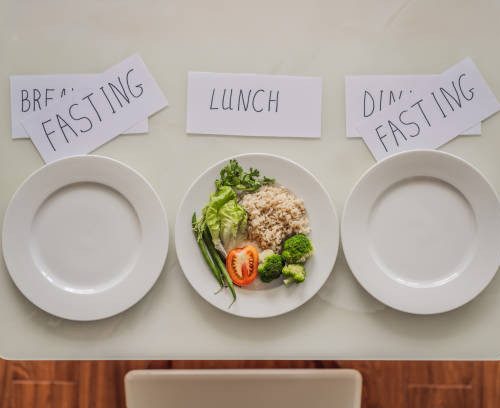
吃,是營養素的來源,卻同時是生命力的消耗。這意味著,補充營養與減少損耗之間必須取得平衡。

人類對此來回驗證已久,而「限時飲食」是目前唯一經證實可行的方案。

為何限時飲食能獲得廣泛肯定?因為它對準了問題的本質。本質,是指身體的原始設定,以身體的時間軸為依歸,將每日的時間歸還給身體,是我們最該實踐的事。

我自己也做了長期的實驗與轉變:從早年的三餐制,到二十年前開始的一日兩餐,直至近十年落實每日一餐。

這裡說的「餐」,指的是熟食,也就是食物已失去其原始生命力的型態。這一餐進入身體後,必然會剝奪身體的部分生命力。

Eating is a source of nutrients, yes—but also a drain on vitality. Which means we must find a balance between nutrient intake and vitality loss.

Humanity has tested this truth repeatedly, and “time-restricted eating” is the only currently validated method that works.

Why has time-restricted eating gained such wide acceptance? Because it targets the root of the issue. The essence lies in the body’s original design—aligning with the body’s timeline and returning each day’s time to the body. That’s the most worthwhile thing we can do.


I’ve conducted long-term personal experiments and undergone several transitions: from three meals a day in my early years, to two meals a day starting twenty years ago, and for nearly a decade now, one meal per day.

By “meal,” I mean a cooked meal—food that has lost its original life force. Once it enters the body, it inevitably robs some of the body’s vitality.

Read More

《自律養生實踐家之旅315》 長大,或長腫瘤

我幾乎是在追尋健康真相的過程中,意外踏入生命的探索之門。從不同的角度切入最終都會指向相同的核心,當深入探究生命本質時,將能更全面理解健康的真正意義。

感染,提供了一個通往真相的清晰視窗。人類本有機會透過感染,理解進化遺留給我們的智慧。但因為視角偏頗,我們對身體的信任也逐漸偏離。

事實上,能夠感染後存活,正是生存力的展現。我們不該恐懼感染,而應學會經歷與穿越感染。如今,對感染的恐懼已成全民共識,卻也是全民迷失。

人生總有困境,困難當前,就是要面對與處理。處理後,我們才能更加茁壯。這份力量,不會降臨在選擇逃避的人身上。

人類與低等動物不同,我們具備慈悲與團結的特質,特別在重大災難之後更是如此,因為困境愈深,人性中扭轉局勢的潛力就愈顯珍貴。

It was through my search for the truth about health that I stumbled upon the gateway to life itself. Different starting points ultimately lead to the same core. When we deeply investigate the essence of life, we begin to understand the true meaning of health.

Infection offers a clear window into truth. Humanity was given the opportunity to understand the wisdom left to us by evolution through infection. But due to our skewed perspective, our trust in the body has gone astray.

In fact, surviving an infection is a testament to vitality. We should not fear infection—we should learn to go through it and grow from it. Today, fear of infection has become a universal consensus, but also a universal delusion.

Life is full of adversity, and challenges must be faced and dealt with. Only after confronting them do we become stronger. That strength never comes to those who choose to run away.

Unlike lower species, humans possess compassion and unity—especially in the aftermath of great disasters. The deeper the crisis, the more precious the human potential to turn things around.

Read More

《自律養生實踐家之旅314》 慰藉為何戰勝尊嚴

慰藉總是勝過尊嚴,這並不是悲觀的結論,而是我長年觀察的人性總結。

眼界短淺是人的通病,不應是你我的常規。

尊嚴,從來不是未來的事,它是今天的事,是我們此刻生命中就該擁有的價值。就如同買保險,是為了保障,而不是為了理賠。

從結果倒推,先看見那個失去尊嚴的自己,我們會下定決心行動。

去做那些我們不會做、也不敢做,但必須做的事。

守護尊嚴,不能等待。

Comfort always seems to win over dignity. This is not a pessimistic conclusion, but a candid reflection on human nature.

Short-sightedness is a universal flaw—it should not be our personal norm.

Dignity has never been a future matter. It is a present one. A value we must own here and now. Like buying insurance—not for the payout, but for the protection.

Look at your future self—the one who has lost dignity—and reverse engineer your actions. Let that image drive you.

Do the things you wouldn’t normally do, might not dare to do, but must do.

To guard dignity, we cannot wait.

Read More
0

購物車