<自律養生之言與行之952>
癌,是身體所使出的殺手鐧,是對不健康生活模式的最強烈警告。 問題在於,許多「主人」根本沒有能力改變。身體,往往只是默默呻吟:「讓我來處理。」 然而,大腦頑固如石…

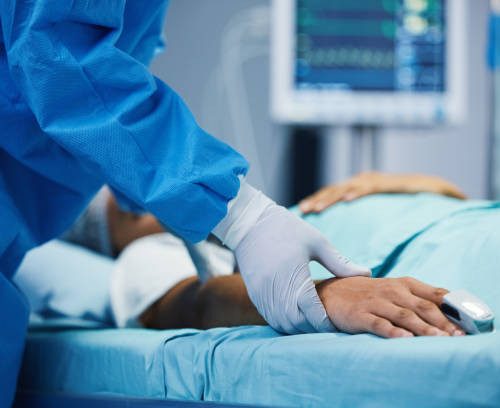
癌,是身體所使出的殺手鐧,是對不健康生活模式的最強烈警告。 問題在於,許多「主人」根本沒有能力改變。身體,往往只是默默呻吟:「讓我來處理。」 然而,大腦頑固如石…

「身體經常是理智的,大腦則是不理智的慣犯。」而「深思熟慮」就是讓身心靈一同參與決策的過程。 在「自律養生」的實踐中,這是一道關鍵的分水嶺:當我們開始信任身體,就…

既然紀律是身體的重要價值,那麼養生就必須順應身體的優先秩序。 沒有經歷過深度斷食的人,無法真正體會身體的紀律。 在斷食的章程中,紀律是一條不可或缺的主軸;而在養…
一句由衷的文字,有溫度;一篇用心的文章,有熱度。心,是人性中最根本的良善,但懂得善用它的人,正日漸稀少。
我衷心希望,每一位想學習斷食養生的人,能從「心」開始學起。因為,真正帶領你找到身體與自己的關鍵,不是頭腦,而是心。
學習不是教練或老師給機會,而是你自己創造機會。
帶著虛假的動機來,只會產生虛耗的結果。就像那些愛喊口號卻始終不行動的人;也像某些號稱有專業的老師,說一套,做的卻是另一套,最終只是帶著學生虛耗彼此。
A heartfelt sentence carries warmth. A carefully written message radiates heat. The heart is the purest goodness in human nature—but fewer people know how to use it well.
I truly hope that anyone who wishes to learn the art of fasting and healing will start from the heart. Because the key to finding your body—and yourself—is not in your mind, but in your heart.
Learning does not come from waiting for a teacher or coach to offer you a chance—it comes from creating your own opportunity.
If your motives are false, your results will be futile. Like those who chant slogans but never act, or those so-called professionals who preach one thing and do another—such people merely waste their students’ time and energy.
健康應由身體主導,這是自古以來不變的真理。
靈性渴望回歸本源,許多人已領悟;身體同樣渴望回家:那個在生命初始便肩負平衡職責的歸處。
懂得聆聽靈性的聲音,還要懂得傾聽身體的聲音。人,必須依循這兩種聲音生活,而大腦的創意與智慧,也該在這兩大主軸下運作。
靈性當家的工程,已有無數智者引領;身體當家的工程,才正處草創階段。所有理解身體意識的人都清楚:這是一項喚醒內心的工程。
Health must be body-led.
This has been true since ancient times.
The spirit longs to return to its source—many have already awakened to this.
The body too longs to go home—
to the original place it was entrusted with the task of keeping balance.
It is not enough to hear the voice of spirit;
we must also hear the voice of the body.
Only by living in accordance with both can we live in alignment.
The creativity and intelligence of the brain should also function under these two guiding forces.
The awakening of the spirit has long had countless wise guides.
The awakening of the body is still in its infancy.
But those who understand body consciousness know:
this is an inner awakening project.
與「必須」相對的,是「可以忽視」,當我們將應該重視的事當作可有可無,反而把可忽略的事視為絕對必要,失衡與失控便成為必然。
我們對「吃」的認知,往往只停留在與食物親密互動的片刻愉悅,卻忽略了食物進入體內之後的旅程。那正是能量失衡、內分泌紊亂的起點。
那麼,睡眠可以忽視嗎?雖不是每個人會提出這個問題,但幾乎每個人都曾在生命旅途中否定過睡眠的價值。
我們不知道,這項每日自然發生的活動,其實蘊含著無可取代的重要性。我們甚至未曾意識到,犧牲睡眠會影響排便、削弱免疫系統,甚至折損壽命。
The opposite of must is neglectable. When we treat what matters as optional, and what’s trivial as absolutely necessary, imbalance and dysfunction inevitably follow.
Our understanding of eating often stops at the fleeting pleasure of food in our mouths, ignoring the journey it takes once inside the body. Yet that internal journey is where energy imbalance and hormonal chaos often begin.
So, can sleep be ignored? Perhaps not everyone asks this question explicitly, but nearly everyone has, at some point, dismissed the value of sleep in their life’s journey.
What we fail to recognize is that this daily, natural event holds irreplaceable significance. We often overlook how sacrificing sleep disrupts bowel movements, weakens immunity, and even shortens lifespan.
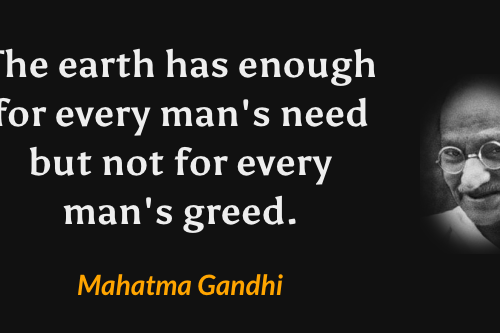
思考「個人利益最大化」這句話,我的靈魂突然震動了一下,不正是這種企圖,曾經被環境輸入、當成主流價值深植於我腦海?
這個普遍存在於民間的信念,正在無聲無息的侵蝕人們的生命品質。
當我們在「自掘墳墓」的同時,也在為他人挖墳;在侵犯他人權益的當下,仍不願放下自身的貪婪。
極端氣候正逐步侵蝕人類的命脈,我想到那些為了巴結上位者而曲意逢迎的行為,想到藥品市場的製藥創意,也想到政商場上那一個個低頭哈腰的身影。
人類的虛偽與虛假,正悄悄將整個地球推向毀滅邊緣,也將我們自己的生命一併斷送。
When I reflect on the phrase “maximizing personal interest,” my soul jolts. Isn’t this very idea one that was deeply ingrained in me by the environment and accepted as a mainstream value?
This belief, so common in our society, is quietly corroding the quality of our lives. While we dig our own graves, we’re also digging them for others. As we infringe upon others’ rights, we refuse to let go of our own greed.
As extreme climate patterns steadily eat away at humanity’s lifeline, I think of those who curry favor with superiors through flattery, of pharmaceutical markets driven by clever drug inventions, and of those sycophantic figures in politics and business.
Human hypocrisy and deceit are quietly pushing the planet toward the brink of collapse—and taking our lives down with it.
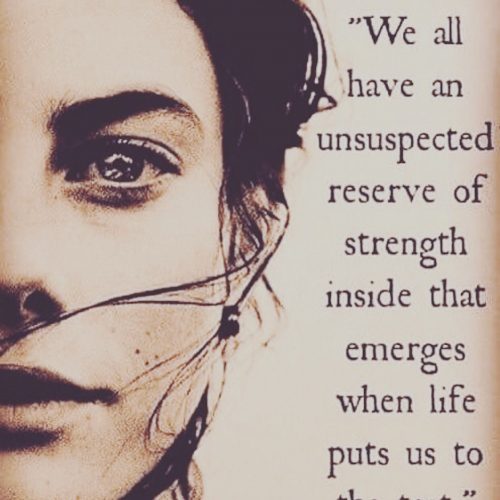
回想過去的考場記憶,有人在場外輕鬆聊天,有人把握最後時刻猛背重點。這種場面,很難知道誰是實力派,誰只是臨時抱佛腳。
每天都在考場中,心境就截然不同了,因為這場考試,沒有主考官,沒有觀眾,只有「天」與「自己」。
當你熟悉了這個「考場」,你會發現:大腦提出的問題,多半不是問題。你會明白,大腦的「知道」,多半是虛假的知道,身體才是真正的明識。
而這一切,站在考場外的人無法理解,也無從領悟。這並非能力的差距,而是機緣的不同。
Think back to exam days—some chatted casually outside, others crammed frantically till the last minute. It was never clear who had truly mastered the material and who was faking it.
But when life itself becomes the exam room, your mindset changes. This exam has no proctors, no audience—only heaven, and yourself.
Once you become familiar with this exam room, you’ll discover: most of the questions your brain poses aren’t real questions. And most of the knowledge your brain claims to have isn’t true knowing—because only the body holds true awareness.
And all of this is something that people outside the exam room cannot understand. It’s not a matter of capability—it’s a matter of timing, of readiness.
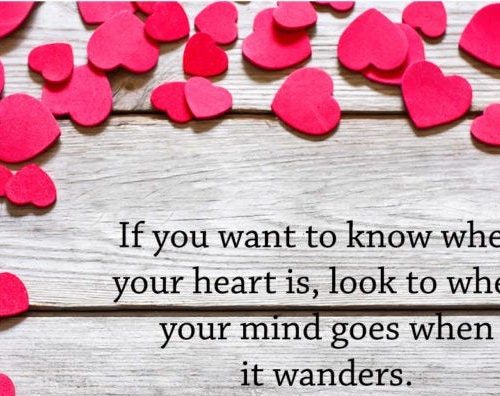
學習的關鍵不在於知識的多寡,而在於「用心聽」。大腦與內心必須同步運作,心負責感受、整理,並擬定行動的方向。尤其在斷食這門功課上,更必須「以心領悟」。
斷食,不是靠理解,是靠身體和心靈的一致。
為什麼斷食特別需要用「心」來學?因為斷食本就是身體的渴望。當心與身的立場一致,喜悅就會出現,斷食也才能進入正軌。
斷食養生被視為修行,是因為這是一條回歸自我、回歸身體意識的道路。這種旅程不靠說服,而靠觸動自己、打動自己。
斷食,說到底,是身心契合的事。
The key to learning is not how much you know, but how deeply you listen with your heart.
The mind and the heart must work together—the heart to feel, organize, and guide action.
Fasting, in particular, demands this kind of heart-based understanding.
Fasting Isn’t About Understanding—It’s About Alignment Between Body and Heart
Why must fasting be learned through the heart?
Because fasting is a natural yearning of the body. When the heart and the body stand on the same side, joy emerges—and fasting becomes effortless.
Fasting is often described as a spiritual practice because it calls us back to ourselves, to our innate bodily awareness.
This path is not about persuasion—it’s about awakening something deeply personal.
In the end, fasting is about harmony between body and soul.
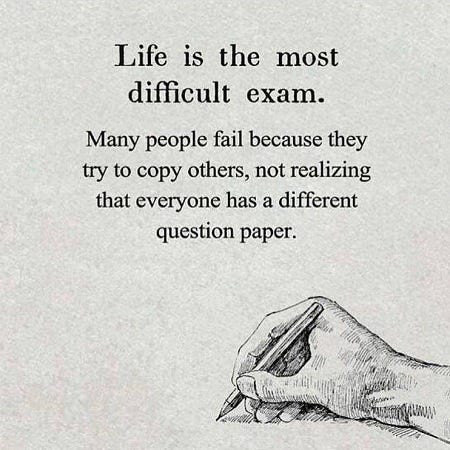
我們並非沒有學習的機會,事實上,學習的細節從未缺席,只是我們把注意力放在學習之外的利益與欲望。
一旦動機被「賺錢」、「風光」或「面子」綁架,好比一個人只願展現最好的一面給心儀對象,遲早終將露出真相,迎來幻滅。
《致富心態》有一段話:「為什麼我們總是無法從中學到教訓?常見的原因是,每個人都貪婪,而貪婪正是人性無法抹滅的特質。」
想要減少貪念,最有效的方式是調整動機,讓每件事都能觸動内心。
我誠懇地想對願意聆聽的朋友說一句話:「若我們一生都依賴外在動機行事,最終只會在原地打轉,等同虛度此生。」
回到那句大腦常掛在嘴邊的話:「我是對的」,這不只是意志的堅持,更藏著貪婪與外在認同的勾結。
We are never truly short on opportunities to learn. In fact, the details of learning are always present; we simply fix our attention on external rewards and desires.
Once our motivation is hijacked by money, prestige, or pride—it’s like someone who only shows their best side to the person they admire. Sooner or later, the truth emerges, leading to disappointment.
As Morgan Housel wrote in The Psychology of Money: “Why don’t we ever learn the lesson? One common reason is that everyone is greedy, and greed is an inescapable part of human nature.”
To reduce greed, the most effective method is to adjust our motivation—so that everything we do can resonate with the heart.
To those willing to listen, I sincerely say: “If we live our entire lives relying on external motivation, we’ll end up running in circles—wasting this life.”
As for that familiar internal refrain—“I’m right”—it’s not just a matter of willpower; it’s the entanglement of greed and the need for external validation.
「身體無所不能」便是我在這條路上逐步領受的體悟,這不只是對身體的臣服,更是對造物與進化的讚頌。
當你開始相信「身體無所不能」,下一步,不是要它證明給你看,而是你該思考如何讓它有系統的發揮潛能。
必須與身體並肩,而非對望與質疑。
網路上曾經有兩位網紅因「肝膽淨化」而互相論戰,這正是領悟被認知否決的劇本。在網路世界,真正的領悟難以流傳,因為人們太容易用思辨包裝傲慢與私心。
當你的身體排出讓你震驚的毒垢時,你不一定需要它逐一告訴你成分與來源,因為某個層面上,你早已透過另一種方式知道了真相。
“Your body is capable of everything”—this is the realization I’ve gradually received. It is not only a surrender to the body, but a tribute to creation and evolution.
When you begin to believe your body is capable of everything, the next step is not demanding proof, but considering how to systematically unleash its potential.
We must walk alongside the body, not merely observe or question it.
There were once two influencers who argued online over “liver and gallbladder cleansing.” This reflects a common phenomenon—true realizations being invalidated by analytical minds. On the internet, real wisdom struggles to spread because people often cloak arrogance and selfishness in critical thinking.
When your body expels shocking toxins, it doesn’t need to name every compound or source. On another level, you already know the truth.

埋藏在腸道黏膜深層的毒垢,唯有身體才能發現與處理。大腸水療和咖啡灌腸只能清潔表面,無法去除深層毒素。
這些事實讓人看見身體的潛規則,也讓斷食者領悟人體尚未被完全了解的潛能。
說到底,這份潛能,其實是自然的平衡力在發揮作用。凡破壞自然平衡的行為與物質,都會迎來自然的反饋;人體亦然,會在過度失衡時主動修正。
廢物的排除,是身體療癒的過程。只可惜,「療癒」的概念早已被醫療體系劃為專屬權限,使得人們逐漸遺忘了身體的自癒本能。
斷食的動機,正是為了讓身體有機會專注療癒。換句話說,是讓身體獲得一次暫停進食、全然自主的空檔。
The deeply embedded toxic sludge in intestinal mucosa can only be detected and handled by the body itself. Colon hydrotherapy and coffee enemas may cleanse the surface but cannot reach the depths. These facts reveal the body’s hidden rules and help fasters understand the human body’s yet-undiscovered potential.
Ultimately, this potential is simply nature’s balancing force in action. Every act and substance that disrupts natural equilibrium will, sooner or later, be met with nature’s response. The human body does the same—it instinctively self-corrects in times of severe imbalance.
Waste elimination is the beginning of the body’s healing process. Sadly, the very concept of “healing” has long been monopolized by the medical establishment, leading people to gradually forget the body’s inherent self-repair mechanisms.
The purpose of fasting is precisely to give the body a chance to focus on healing—to stop eating, to reclaim its own sovereign time.
在工作中,我反覆對比內在動機與外在動機的差異。外在動機幾乎與愛無關,它們多半源於慾望與面子;內在動機,則出於愛的力量。
上一代的婚姻有媒妁之言,這一代的婚姻則可能陷於拜金與條件至上。金錢、地位與物質慾望,在愛的故事裡扮演了錯愛的要角。
我們太渴望安全感,渴望到可以用婚姻交換、用金錢填補、用美食麻痺、用藥物維繫。
久而久之,連對自己的愛,也只剩下大腦掌控的那點存在感。
僵化的外在動機,讓許多人的人生就像依賴藥物一般受制於外力。
人類不只誤解了來自地球的關愛,更用錯了聰明,掩蓋了內心原本可以自由湧現的真愛。
Through my work, I’ve repeatedly compared internal motives with external ones. External motives rarely stem from love—they are more often shaped by desire, ego, or appearances.
Internal motives, on the other hand, arise from the energy of love itself.
The marriages of our parents’ generation were often arranged; in our generation, marriages are frequently driven by materialism or conditions.
Money, status, and physical comfort now dominate many love stories, giving rise to modern forms of misaligned love.
Our hunger for security has grown so intense, we’ve learned to trade love for marriage, money for affection, and food or medication for emotional stability.
Eventually, even the love we have for ourselves is reduced to a cerebral awareness of existence.
These rigid, external motives have taken over many lives, reducing us to dependents of external systems—like patients addicted to medication.
We have not only misunderstood the love that the Earth offers us—we have misused our intelligence to suppress the spontaneous flow of true love from within.
「食物」到底是果腹的工具,還是享樂的載體?在這兩者之間,斷食像是正向的楚河漢界,引導我們回到與食物更深的關係。
以「懷胎十月」來比喻「以終為始」,再恰當不過。一旦確定懷孕,終點(孩子出生)就已在眼前,整段過程充滿意義,也充滿期待。
與身體合作,也該如此。目標只有一個:不生病。你得相信身體有這個能力,也要相信自己有足夠的身教去支持它。
回到斷食初體驗,許多人恐懼多過勇氣,明明決定要實行,卻被飢餓的幻影所困。那景象,像極了想想斷藥的人眼前不時浮現的幻魂。
這一切其實揭示了:我們的飲食頻率與分量出了問題,而藥物治療所灌輸的,則是對疾病的恐懼與焦慮。
s food merely a tool to silence hunger, or a vehicle of pleasure? Between these two, fasting becomes a positive dividing line—guiding us back into a more meaningful relationship with nourishment.
To use an analogy, “begin with the end in mind” is like the ten-month pregnancy journey. The moment conception is confirmed, the outcome—birth—is already in sight. The entire process becomes meaningful, filled with anticipation.
Cooperating with the body should be no different.
The goal is singular: do not get sick.
Believe in your body’s capacity—and believe in your own ability to support it through your embodied example.
Back in the early days of fasting, many people feel more fear than courage. Though they decide to start, they’re haunted by visions of hunger—just as those wishing to quit medications are haunted by withdrawal fears.
But these reveal a deeper truth:
Our eating frequency and volume are out of balance, and medicine has ingrained in us a fear of illness.
人生有限,所結識的人脈也有限,但我們可以在有限的人脈中創造出無限的價值。因為真誠可以跨越疆界,感動可以延續傳承,而有意義的價值可以無限延展。
其實,安全感並不是錯誤的價值,而是需要擺對位置。我們可以將「恐懼的安全感」轉化為「幸福的安全感」。
在與身體的互動中,我深刻體會到這一點。食物的確會帶來安全感,但「不吃」,在身體看來,也輸送著一種更深層的安定力量。
當我們將責任擺在前方,並理解適當的禁食其實是身體得以除垢與修復的契機,那種安全感,絕對凌駕「吃」所帶來的短暫滿足。
Life is finite, and so are the people we meet. But we can create infinite value from limited connections. Sincerity transcends borders, genuine emotion can be passed down, and meaningful contributions can expand indefinitely.
Security, in itself, isn’t wrong—it simply needs to be placed in the right context. We can transform “fear-driven security” into “joy-driven security.”
I’ve come to understand this deeply through interaction with my body. Yes, food brings a sense of safety. But not eating can deliver a more profound kind of peace.
When we place responsibility ahead of indulgence, and understand that fasting enables the body to cleanse and repair, that safety surpasses the fleeting comfort of eating.
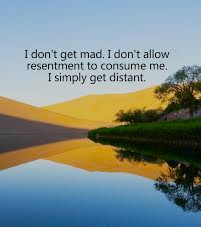
深刻領悟到,有多少人是「氣死自己」的,我也常在閒聊中自嘲:如果脾氣不改,搞不好我早就沒命了。
課堂中講解肝臟的負擔,但很少明說,肝臟的最大負擔,可能來自無端的怒氣。
不只是發怒,急躁也是壞脾氣的一種。對身體而言,急躁會促使壓力荷爾蒙頻繁釋放,是一種內耗。
急性子的人未必知道,自己就是壓力的製造者。而那些缺乏耐性的人,也未必知道,他們所謂的「急」,最後往往演變成「怒」,也就是身體毒害自己的過程。
總有那麼一天,每個人都會開始反思生命的意義。當你能領悟:來到這世上,是為了「修脾氣」,那便是一種層次的覺醒。
I’ve come to understand deeply how many people end up “dying of their own rage.” I often joke during casual chats: If I hadn’t learned to control my temper, I might not even be alive today.
In classes, I often explain the burdens on the liver, but rarely mention its greatest weight — unprovoked anger.
It’s not just rage. Impatience is also a form of poor temperament. For the body, impatience triggers constant releases of stress hormones — a slow internal burn.
People with short tempers may not realize they are the source of their own pressure. Those who lack patience may not know that what they call “urgency” often morphs into “anger” — a form of self-poisoning.
One day, everyone will reflect on the meaning of life. And when you finally realize that one of the reasons you came into this world was to “temper your temper,” that moment will mark a higher state of awareness.

「斷食真的那麼重要嗎?」
地球上那些壯麗奇景,你看過幾處?如果有一景必須列入人生清單,那就是斷食。
錯過,將遺憾終生。
願你與我們一同守護這股稀有而珍貴的力量,在自律中養生,於養生中自覺。
斷食,是我們這一生非經歷不可的「生命奇景」
“Is fasting really that important?”
How many of Earth’s natural wonders have you seen?
If there is one wonder that must be on your life list—it is fasting.
Miss it, and the regret may last a lifetime.
May you walk alongside us in preserving this rare and precious power:
To live with self-discipline,
To awaken through health,
To recognize fasting as a once-in-a-lifetime wonder of the human experience.

菌-腦-腸軸之間的三向溝通,可以源源不絕的注入正向訊號;反之,缺乏自信的人,必須先從與自己重建關係開始,與身體建立連結,就是一個起點。從釐清「為何要執行斷食」的動機開始,便是一場回歸本質的探索。
腸道是第二大腦,腸道微生物群可視為第三大腦。當斷食與菌相重建同步進行,就如同在腹腔中整頓兩座沉睡的智慧核心。當菌-腦-腸軸啟動正向循環,整體生命力也隨之甦醒。
腸道遲鈍不是絕症,透過斷食,日復一日清理不必要的囤積,當身體意識逐漸甦醒,睡眠的需求也自然回歸,這便是從任何起點切入皆能正向加乘的循環。
The gut is often referred to as the second brain, and the microbiome as the third. When fasting and microbiome restoration are practiced together, it’s akin to awakening two dormant cores of wisdom in the abdominal region. Once the microbiome-brain-gut axis is set into a positive loop, one’s life force reawakens in full.
Sluggish bowels are not a terminal fate. Through daily fasting that clears accumulated burdens, as body awareness gradually revives, the natural demand for sleep also returns—this is the regenerative loop, accessible from any entry point.

「不認識自己,所以憂鬱;不認識身體,所以焦慮。」這是我對生病本質最切中要害的詮釋。幾乎所有病症,都可在這兩句話中找到根源的延伸。
養生的體悟,永遠寫不完。但請別忘了,最根本的起點是:你是否願意與自己好好相處?只要學會和自己在一起,許多負面情緒自會煙消雲散。
「有身皆苦」,是一種經驗,也是一種智慧。當你與身體合作、與自己和解,生命的圖像將隨之翻轉,終將走入一段真正值得享受的人生。
然而,我們常常甘心把自己推入死胡同:太忙、太累、不睡、過勞、過度依賴醫療,然後一頭交給醫師收拾殘局。
“Not knowing oneself leads to depression; not understanding the body leads to anxiety.”
This is, in my view, the sharpest interpretation of the root of illness. Nearly all forms of suffering trace back to these two truths.
The journey of wellness holds endless lessons—but don’t forget its most essential foundation:
Are you willing to be with yourself?
Once you learn how to stay connected to your own presence, many negative emotions begin to fade away on their own.
“To have a body is to suffer”—this isn’t just a concept, it’s a lived experience. Yet when we learn to collaborate with the body and make peace with ourselves, the entire picture of life begins to shift.
Eventually, life becomes a path of genuine enjoyment.
Unfortunately, many people throw themselves into dead ends: they stay busy, sleep poorly, overwork, and rely too heavily on medicine—handing over their lives for doctors to repair.

這是一則關於養生的簡單提醒:以「一天」為單位,當夜幕低垂,請誠實盤點自己今日留給身體的正向元素是否多於負向元素?
在生命的每個面向,我們都應自問:我今天給予身體的,是滋養還是消耗?我今日的情緒總結,是正念多於負念,還是相反?
若你已理解這兩項原則,那麼也許會同時感受到它們的困難。我的經驗是,許多人不是不想健康,而是無法相信自己做得到。他們卡在執行的艱難,忘了最根本的問題,其實是對自己缺乏信任。
現代環境缺乏「食物的生命力」這類教育,過度強調體質、污染、熱量與營養,卻忽視了每一口食物的生機與能量來源,導致幾乎每個現代人每天都在默默的,把身體推向負債狀態。
This is a simple reminder about wellness: take each day as a unit, and when night falls, honestly reflect—did you give your body more positive elements than negative ones today?
In every aspect of life, we should ask ourselves: Did I nourish or deplete my body today? Was my emotional balance more inclined toward mindfulness or negativity?
If you understand these two principles, you may also recognize their difficulty. In my experience, most people don’t fail because they lack the desire to be healthy, but because they don’t believe they can do it. They get stuck on the difficulty of execution, forgetting that the real issue lies in their lack of trust in themselves.
Modern environments lack education about the “life force” in food. Instead, we overemphasize constitution, pollution, calories, and nutrients, while ignoring the vitality and energy behind each bite. As a result, most people silently push their bodies toward a state of deficit, day after day.

生理年齡是否可控?斷食給了我答案。我在書中以數學的「漸近線」為喻,描繪生命終點愈行愈遠的狀態。
說「透過斷食找到了自己」,常見許多聽者面露疑惑,我必須進一步說明:為自己在這世間留下清晰的痕跡,是每個人都該認真思考的課題。
有些學員,是先找到自己,再來研修斷食。他們意志堅定,明確知道為何而來。他們的定位早已清晰,不再被金錢束縛,只為追求生命更深的圓滿。
再回頭看「中年危機」,圖像變得更清晰,那是無法作主自己人生的人容易陷入的狀態。這是一種廣泛的人性展現,很難承認自己不認識自己,但元神的焦慮洶湧如潮。
Can we control our biological age? Fasting gave me an answer. In my book, I used the mathematical concept of an “asymptote” to illustrate a life whose endpoint keeps receding into the distance.
When I say “I found myself through fasting,” some people appear puzzled. I often have to clarify: leaving behind a clear imprint of oneself in this world is a question everyone ought to ponder deeply.
Some students first found themselves and then came to study fasting. Their determination was unwavering; they knew exactly why they came. Their sense of identity was already clear—they were no longer bound by money but moved only by the pursuit of a deeper sense of wholeness.
Looking back, the image of the “midlife crisis” is now much sharper: it’s a state easily fallen into when one lacks authorship over their own life. It’s a widespread human condition—one difficult to admit, for it means confronting the fact that we don’t truly know ourselves. And when the soul stirs with restless urgency, it floods like a rising tide.

人體本身具有追求美感的潛在秩序,當你不再為減重而刻意節制,身體也未必放棄維持美感的努力。
因為對身體而言,美感並非奢侈,而是健康邏輯的一部分。
脂肪的儲存順序反映出身體對秩序的尊重,也揭示出大腦干擾時所產生的混亂。
當脂肪無法被及時提領使用,內臟的負擔開始影響免疫力與內分泌系統,身體的防線便漸漸瓦解。
所有的慢性病與代謝問題,不過是這場物流崩壞的延伸。
身體的價值排序:健康優先,美感不棄。
The human body holds within it an inherent drive toward aesthetic order.
Even when no longer consciously dieting, the body does not necessarily give up on maintaining beauty.
To the body, beauty is not a luxury—it is a part of its health logic.
The order in which fat is stored reveals the body’s respect for hierarchy and function—and also exposes the chaos caused by mental interference.
When fat can no longer be mobilized in time, visceral strain begins to impair immunity and endocrine function.
The body’s defensive line gradually crumbles.
Every chronic illness or metabolic disorder is merely an extension of this systemic breakdown in logistics.
The body’s value system: Health first, beauty not abandoned.

我記錄這一切,不是為了製造對立,而是因為內心的聲音始終誠懇提問:「真的有這麼難嗎?」
領悟,其實不需要太多證據;只要願意經歷,就能看見。只要願意深入,就能覺悟。
願意改變,是一種偉大。
當這些女性輕鬆談論她們背後的那道高牆時,我彷彿從她們的故事中,看見了歷史朝代的興衰;也看見大自然對人性的傲慢發動的反撲。
我只能說:就這樣吧,這本就是個人的修行。
若不是當初走上斷食這條路,今天的我,或許也還是那副德性。
I record all of this not to provoke conflict, but because a sincere voice within me keeps asking:
“Is it really that difficult?”
Realization doesn’t require overwhelming proof.
It only asks that we go through it. That we go deep. That we surrender.
The willingness to change is, in itself, a form of greatness.
When I listen to women speak lightly of the immovable wall behind them, I feel as if I am witnessing the rise and fall of dynasties through their stories—and nature’s retaliation against the arrogance of humankind.
And all I can say is this: so be it. This path has always been a personal spiritual practice.
If I hadn’t chosen fasting back then, I might still be the same person I once was.

動機有內在與外在之別,人情與學歷都屬於外在動機。例如學校的學分制度,常讓學生為了簽到而非學習而出席。我曾受邀至大學通識課程授課,親眼見證過這種現象。
養生的目的在於成為更健康的自己,因此,動機不能從外界而來,必須百分之百出自內在。雖然我們都明白這點,卻常選擇寬容那些來自人情壓力、不純正的動機,於是彼此虛耗時間。
回顧整體教育現場,只要學生的動機被太多外在環境牽引,只剩下大腦的被動接受,這樣的學習終將失敗。
因為真正留下印記的,不是知識本身,而是內心的觸動。
知識可以轉化為專業技能,但支撐教師教學熱情的,不只是專業,而是投入教育的初衷。
Motivation can be either intrinsic or extrinsic. Social obligations or academic credentials are examples of external motivation. Take university credits, for example—students often show up just to sign in, not to learn. I once gave a guest lecture at a university general education course and witnessed this phenomenon firsthand.
But the goal of wellness is to become a healthier version of oneself, and that motivation cannot come from the outside. It must originate 100% from within. We all understand this in theory, yet we often tolerate insincere motives driven by social pressure, wasting everyone’s time in the process.
Looking broadly at the education landscape, when a student’s motivation is shaped too much by environmental factors, and learning becomes a passive mental exercise, the system is destined to fail.
Because what truly leaves a mark is not the knowledge itself, but the emotional resonance behind it. Knowledge may be converted into technical skill, but what sustains a teacher’s vocation is not their expertise—it is the passion they bring to their work.

若再給我二十年,人類對健康的認知是否能全面翻轉?理智上我明白,這樣的觀念汰換可能需要更多時間,甚至五十年也未必足夠。
但我深信:凡是真正進入「身體之道」的人,都有機會在有生之年逆轉身體的病痛,前提是,你必須先選擇相信自己的身體。
每一位希望斷根病痛、甚至逐步脫離藥物的人,請以我這二十年的軌跡為基礎,對照自己的人生節奏,不要操之過急,也絕不能停下學習的腳步。
說到學習,我發現最大的障礙來自人類大腦的思辨,你以為你懂了,其實還不夠。因為有些理解,無需證據,也不依賴數字,而是透過不斷的體悟與內省。
If I were given another twenty years—
could humanity’s understanding of health be transformed?
Logically, I know such a paradigm shift may take far longer—
perhaps fifty years, and even that might not suffice.
But I am certain of this:
Anyone who truly walks the path of the body
has the chance to reverse illness within their lifetime.
The first step, though, is to believe in your own body.
To those hoping to heal, to those seeking freedom from medication—
Use my twenty years as a foundation.
Measure it against your own rhythm.
Don’t rush.
And above all, never stop learning.
When it comes to learning, the greatest obstacle I see lies in the human brain’s tendency to overthink.
You think you understand—but often, you don’t.
Some forms of understanding require no proof, no statistics.
They rely solely on continuous realization and inner reflection.

回到「天真」的本質:健康的「天」,就在我們的身體裡;健康的大自然,也不會違背自然法則。
真實的本質,怎麼可能永遠藏在虛偽的偽裝之中?
我觀察到:能與自己相處的人,總願意聆聽身體的聲音。
身體是最忠誠的資產,若不能適時休耕,必將耗損殆盡。
人生終會來到分叉口;當那條路標示著「斜槓」兩字,請不要猶豫。
只要你持續與自己對話,你會做出最正確的選擇。
Returning to the essence of naturalness: the “heaven” of health lies within our bodies, and a truly healthy nature never contradicts natural laws.
How could authenticity remain forever hidden under the disguise of falsehood?
I’ve observed that those who are at ease with themselves tend to listen attentively to their bodies.
The body is our most loyal asset—if we do not allow it to rest and recover, it will eventually be depleted.
Life will one day bring you to a crossroads. When you see the signpost that reads “Slash Career,” don’t hesitate.
As long as you continue the dialogue with yourself, you will make the right choice.

每個人在人生某刻,都會有面臨「倒帶」的自覺,最讓人遺憾的,究竟是那些做錯的事?還是,那些該做而從來沒做的事?
「早知道」是最昂貴的智慧,曾經有人提醒你,把睡眠當作養生第一要務;也曾有人勸你,透過斷食,重新與自己的身體建立合作關係。
但這些話,多半成為耳邊風,任其流過。
人生的樣板劇情,一幕幕在我眼前重播。而我學到的最關鍵戲點是:我們認知中的「自己」,從來不是真正的自己。
At some point in life, everyone will face a moment of rewind—a moment of sudden clarity.
What we regret most isn’t always what we did wrong, but often what we never had the courage to do.
“If only I had known…” is the most expensive form of wisdom.
Perhaps someone once reminded you that sleep is the cornerstone of health.
Perhaps someone advised you to rebuild your relationship with your body through fasting.
But most of these words likely drifted past your ears.
Again and again, I watch life’s patterns replay like scenes from a script.
And the most important lesson I’ve learned is this: The “self” we think we know, is rarely our true self.

麥克阿瑟將軍曾說:「戰爭失敗的歷史,幾乎總可以用兩個字總結:太遲。太遲了解敵意,太遲警覺危機,太遲準備,太遲團結。」
為什麼會太遲?因為自以為是,因為驕傲自大,因為理所當然,因為拒絕改變,因為對潛在危機視而不見。
而我,是從身體的課題中學習,才真正看見:人類健康的最大危機,來自醫療思維的誤導,也來自人類對醫療盛世的集體崇拜。
當錯誤的治療邏輯,強加在需要被療癒的身體上,那不是幫助,而是延誤;那不是關愛,是傲慢的傷害。
如果人類的健康教育再這樣下去,永遠只會重複演出「來不及」的悲劇。
General MacArthur once said:
“The history of failure and war is almost always to be summed up in two words: too late. Too late in comprehending the deadly purpose of a potential enemy. Too late in realizing the mortal danger. Too late in preparedness. Too late in uniting all possible forces for resistance.”
Why do we arrive too late? Because of arrogance. Because of self-righteousness. Because of complacency. Because of our refusal to change. Because we ignore the subtle signals of crisis.
It was through the lessons of the body that I finally understood:
The greatest threat to human health is the misdirection of medical thinking—and the collective worship of a healthcare empire built on illusion.
When flawed medical logic is forced upon a body that needs to heal, it’s not care—it’s delay. It’s not compassion—it’s arrogant harm.
If humanity continues down this path of health education, the tragedy of “too late” will repeat endlessly.

醫療公式未變,老化趨勢未變,子女照顧父母的命運循環亦未變,真正能改變的,是我們那份選擇走出定調命運的決心。
每天,惰性與舒適圈都在召喚著我們,而我們必須,在「活得更好」與「維持現狀」之間,做出選擇。
人不能懶,也不該惰。那一步,無需懸念。有時,是直覺;有時,則是長期思辨與鍛鍊的結果。
Medical protocols haven’t changed. Aging trends haven’t changed.
The generational cycle of children caring for their aging parents hasn’t changed either.
What can change is our resolve—to step outside of a predetermined fate and claim our own.
Every day, inertia and comfort zones call out to us.
But we must choose—between simply maintaining the status quo, or living better and fuller.
Laziness is not an option. Neither is complacency.
That next step must be taken—decisively.
Sometimes, it’s instinct.
Sometimes, it’s the fruit of long reflection and disciplined practice.

因果法則,無論你仰望還是低首,它從未缺席。它所要檢驗的,是你的每一個起心動念,是你與良知之間是否夾雜雜質。 說謊,是人類最熟練的不真;貪念,則是最普遍的虛假。 …

「真」,是我們與自己之間的關係,那是沒有虛偽空間的關係,也是我們與身體之間的連結,在身體的記憶庫前,我們沒有機會裝傻或自欺。 假如你撒了謊,甚至成功欺騙所有人,…

不幸的結果,值得預防;但更重要的,是追問錯誤的起點。 在癌症已被化療主導的今天,幾乎沒有人願意面對癌症背後的情緒特質,只是一味接受沒有根本意義的治療。 而最後,…

記憶其實從來不是大腦的專利,思考也並非僅在大腦進行。 大腦與身體,其實一直是協同共生的關係。 記憶是身體的事,思考也是。 身體,是心靈的容器,能接收來自靈魂深處…

止痛、止瀉、消炎、制酸、降糖、降壓、降脂……所有這一切,源頭都來自一個對身體能力的無視與傲慢。 當醫生把病人送進精密儀器掃描時,對醫療的依賴早已取代了身體的自主…

從醫藥體系確立「對症治療」邏輯的那一刻起,人類就踏上了由藥物主導的退化之路。 藥物在體內發生難以言說的干擾作用,沒有人知道真正發生了什麼。 症狀無明,疾病無明,…

這個環境,稱之為「尊重身體的環境」。 一個以身體為師、以自然為師、以天地為師的環境。 一個從「愛自己」出發,以人類對身體意識覺醒為目標的環境。 一個在「利他」旗…

世界停滯不前,因為我們早已習慣了只看「結果」。 這樣的視角,讓我們聚焦在一位肇事者、幾位失控者,卻忽略了真正的始作俑者。 在我看來,真正的肇事者,是這個不思進取…

斷食,需要環境。這不只是一個人的身體示範,而是一個集體共振的磁場。 在這裡,有責任的交付,也有價值的傳承,我樂見那些擁有「兼善天下」願景的人,共同耕耘這片關懷他…

人之所以為人,在於我們具備深度思考的能力。我們可以反思、可以修正,可以從一次次錯誤中突破領悟。 所以,動念是可以被純化的,當我們願意深思熟慮,許多不成熟的念頭自…

對睡眠有一項重要的領悟,那是一個被失控的大數據掩蓋的真相。 當整個社會都「不重視睡眠」,環境便會升級為一種破壞力十足的「集體偏見」。 你不愛庭院中的盆栽,植物會…
統一編號:94197420
身體知道,健康之道;身體之道,健康知道。


